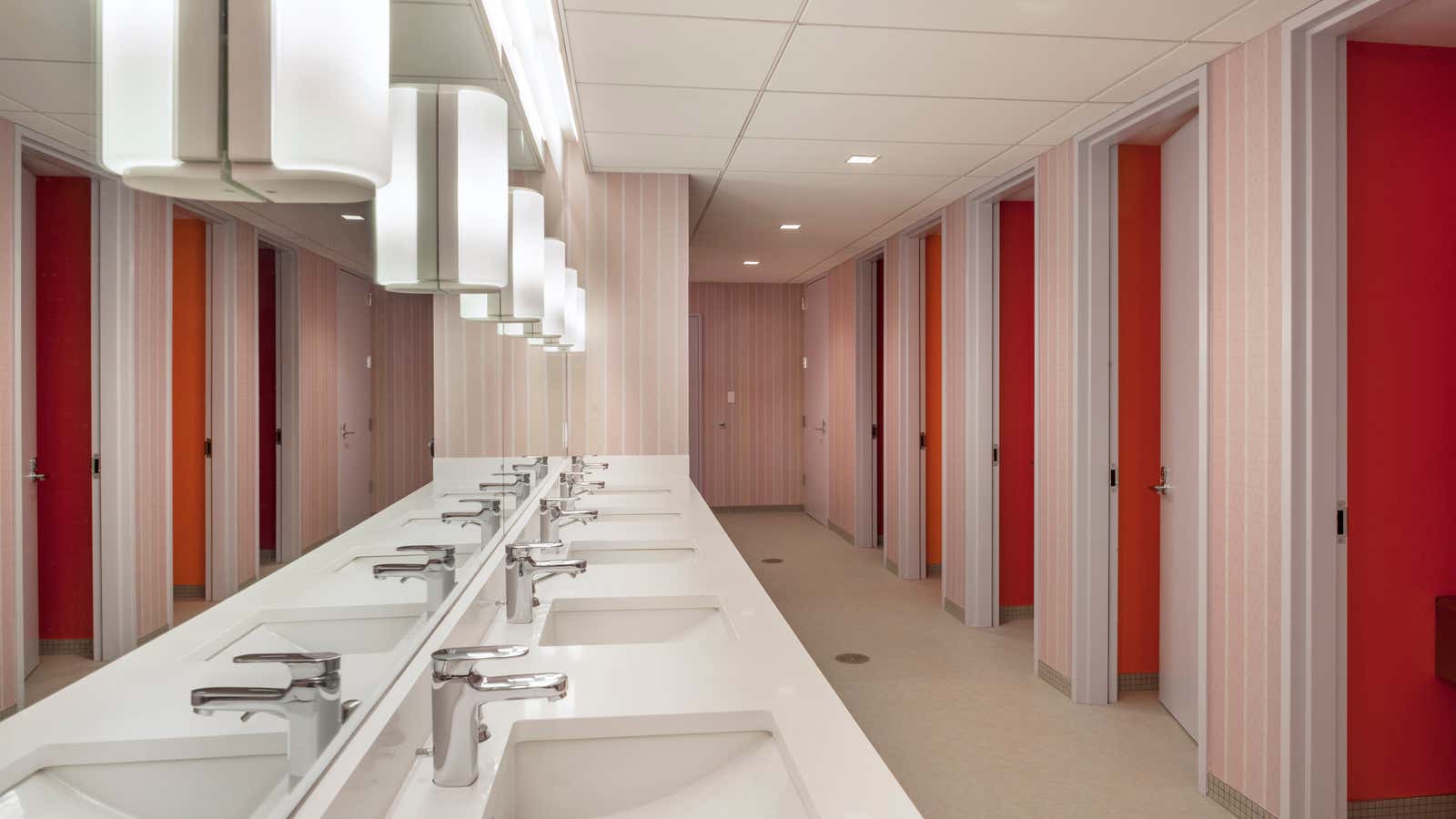
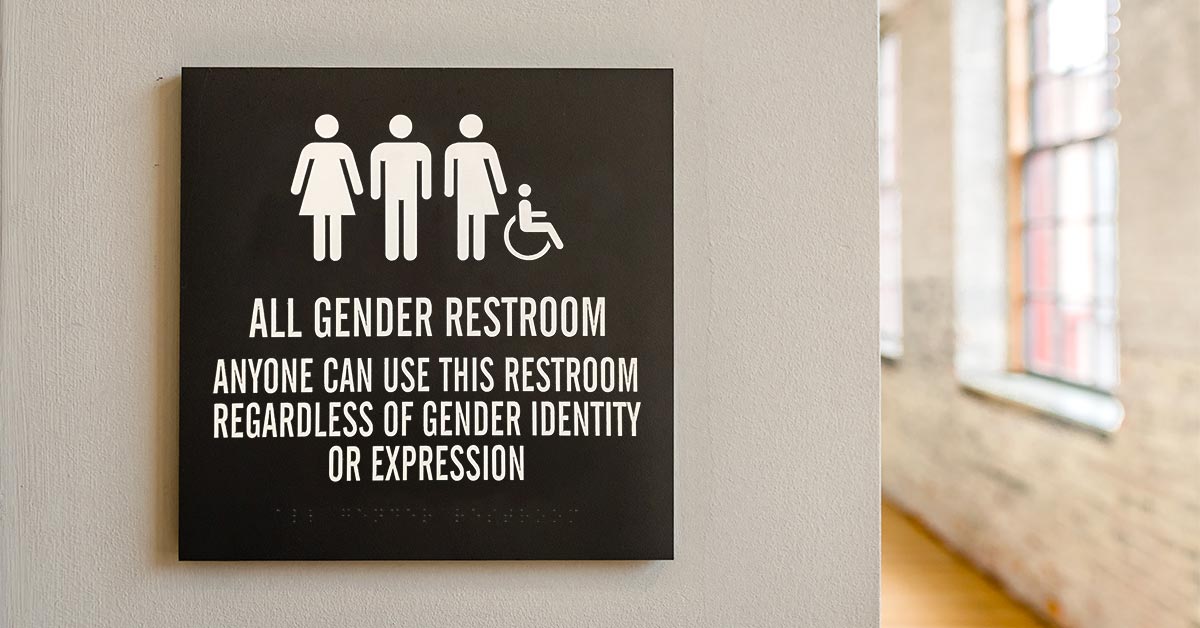
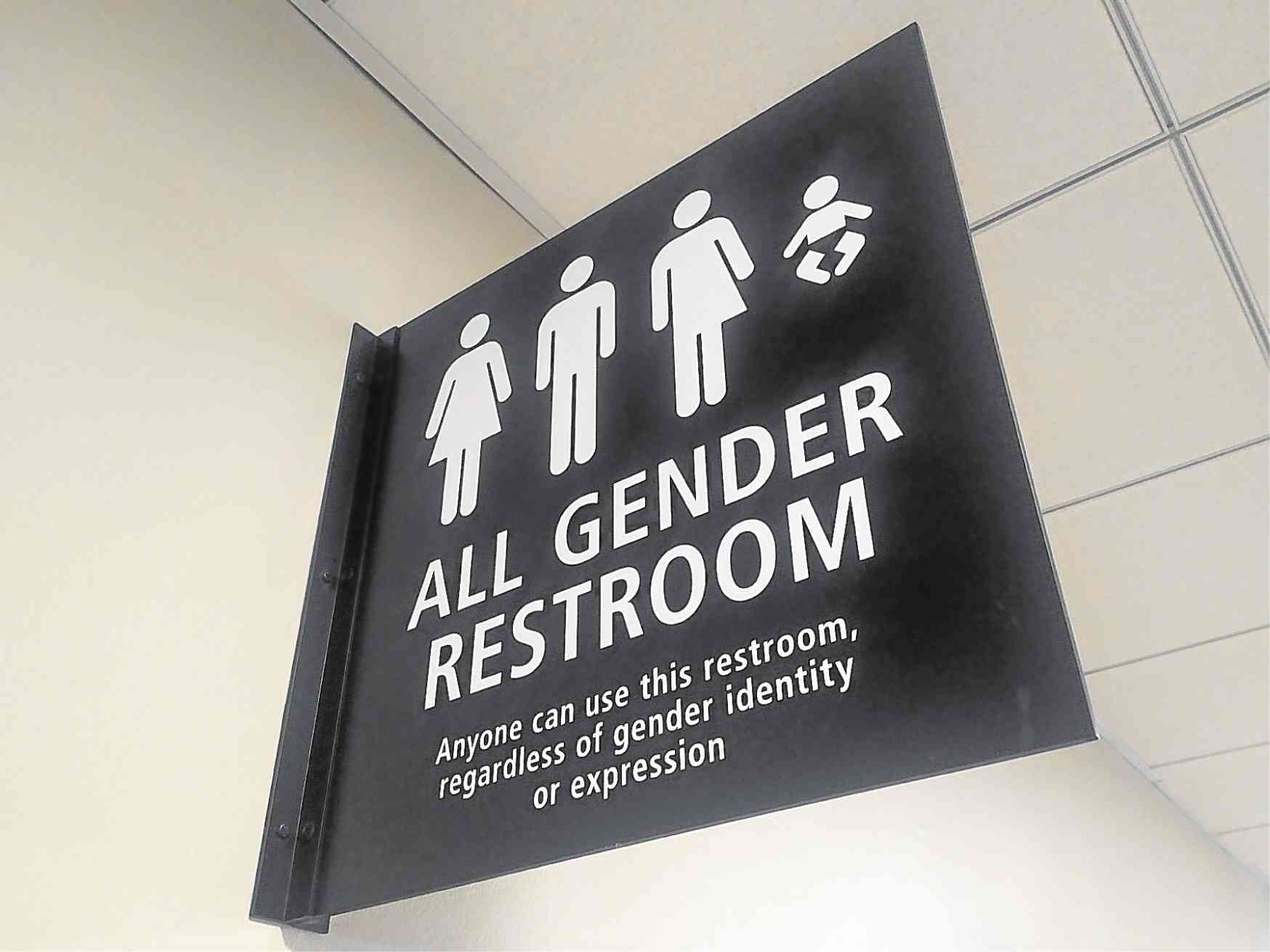
A gender-neutral or all-gender restroom is a facility that anyone can use, regardless of gender identity. While these restrooms are becoming more common, the legal framework governing them is a patchwork of federal, state, and local rules. These public restrooms are commonly referred as 'gender-inclusive,' 'gender-neutral,' 'mixed-sex,' or 'unisex' and can benefit the transgender community, people with disabilities, older adults, and parents of small children.

Gender-neutral bathrooms can offer increased safety for transgender and gender non-conforming individuals who may face harassment or violence in gender-specific facilities. By providing a space where all individuals can feel comfortable and secure, gender. Why are gender-neutral bathrooms important? Gender-neutral bathroom facilities can provide a safer and more welcoming space to someone who may be transgender or may not identify with the male or female gender binary, by which public restrooms are often divided.
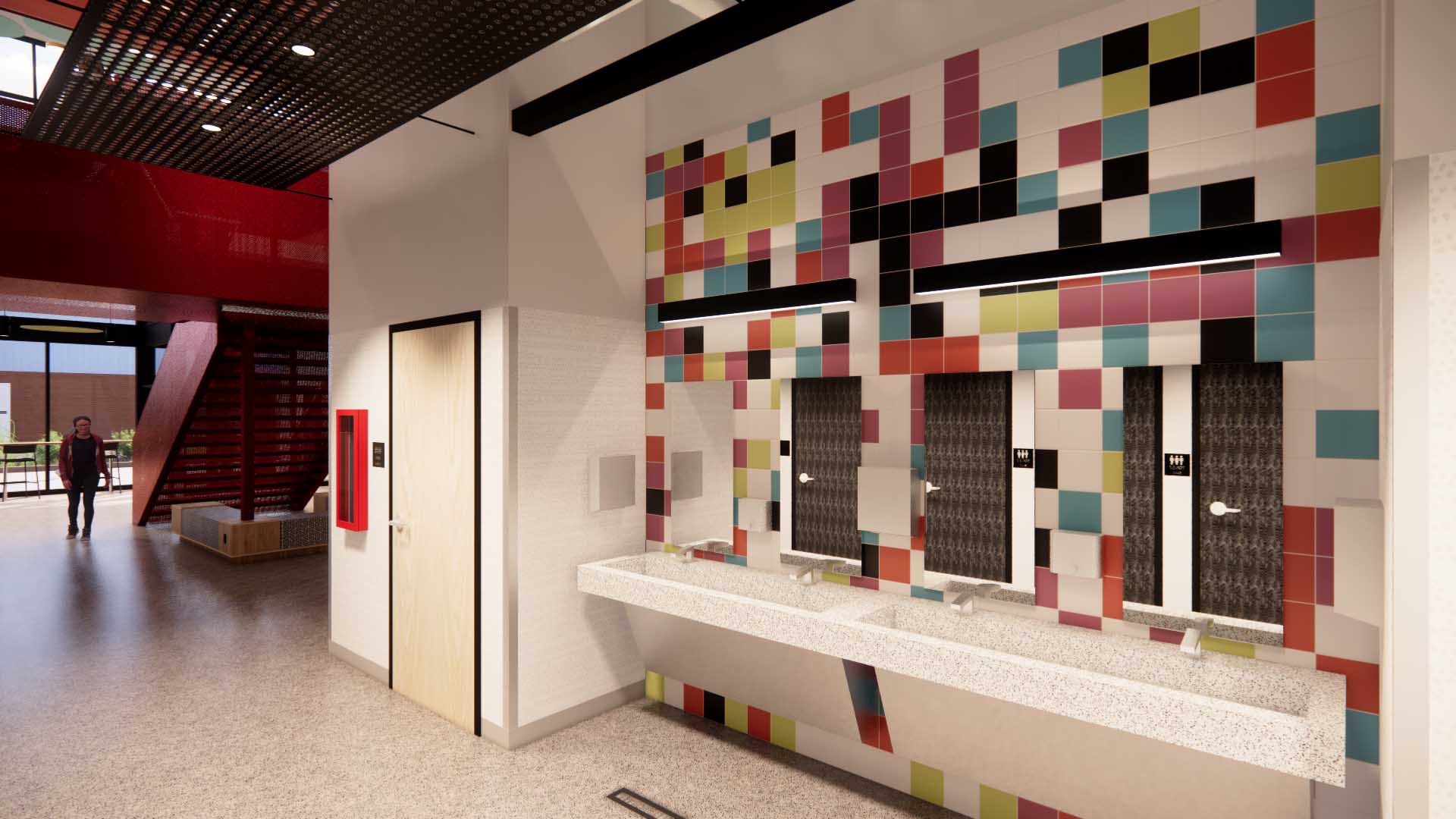
Designing around Debate: The Gender-Neutral Bathroom | ArchDaily
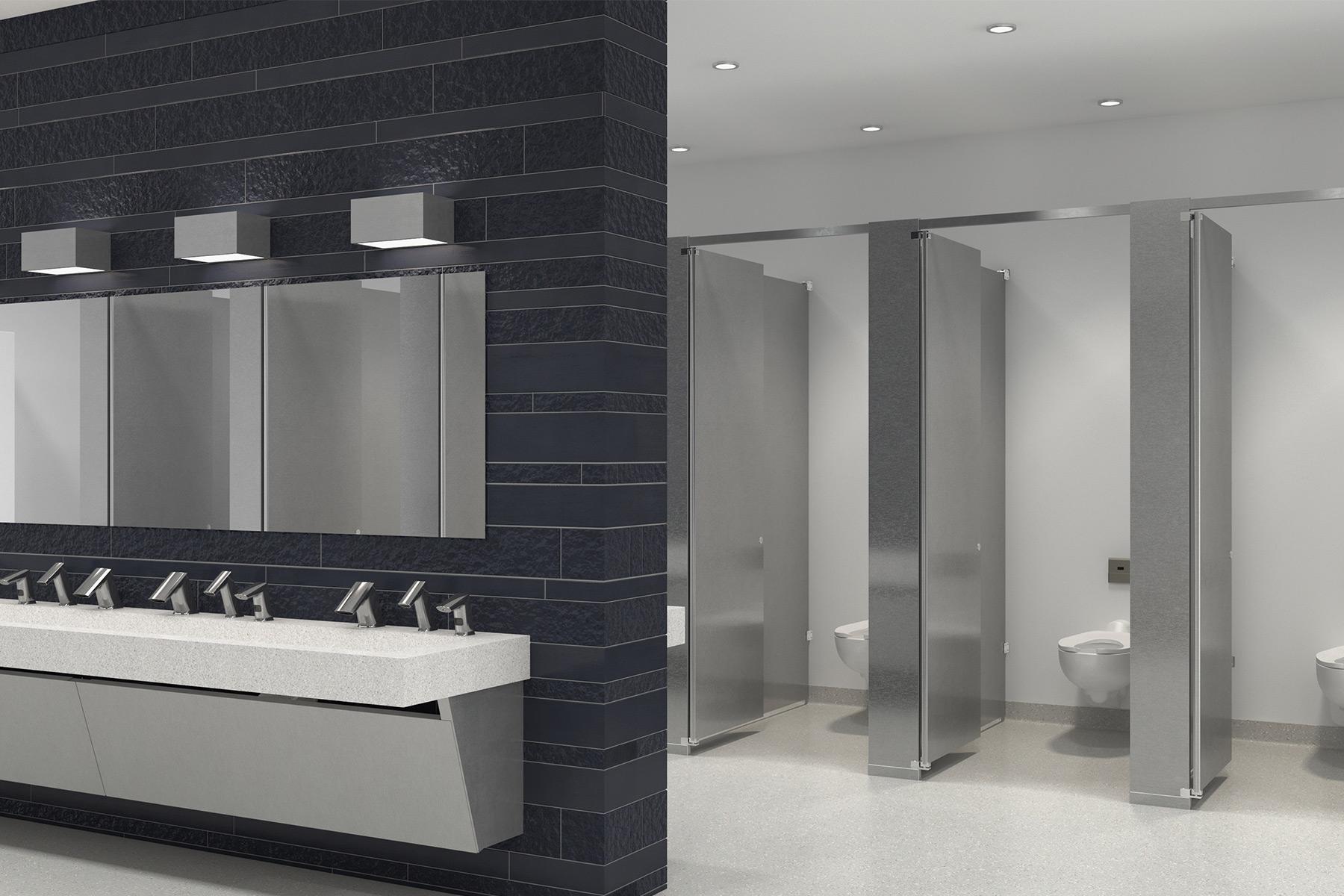
But what exactly is a gender neutral bathroom and why is it so important? In this article, we will explore the concept of gender neutral bathrooms, their benefits, and why they should be a standard in all public spaces. So, if you've ever wondered if you can go into a gender neutral bathroom and why it matters, keep reading to find out! Gender inclusive restrooms may be the next change in restroom design. If you're an architect designing the next gender inclusive commercial restroom, these design strategies can help with your building project.

Gender-neutral bathrooms have their pros and cons. Architects are challenged with creating equitable public spaces that welcome the LGBTQ+ community. Why Gender-Inclusive Restrooms Are Important Female/male sex-segregated bathrooms are not accessible spaces that everyone can use.

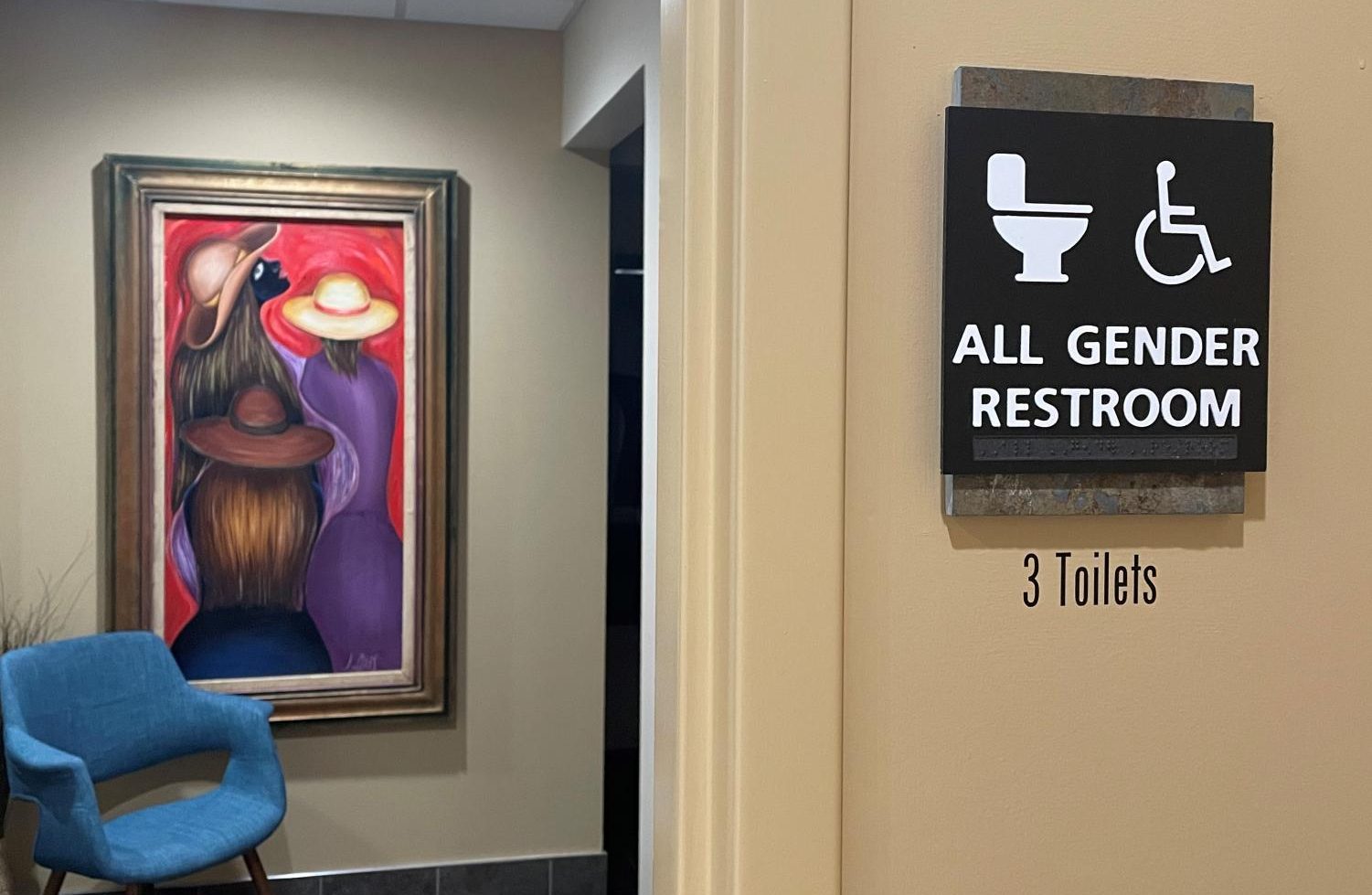
Gender Neutral Bathroom Signs with All Gender Symbols – ADA Sign Depot
Many people report harassment, intimidation, legal charges, and violence on a daily basis. Transgender, genderqueer, and/or gender non-conforming people are particularly affected by bathroom segregation regardless of how accepting or "liberal" their. The best practice for a gender neutral bathroom is to provide inclusive facilities that accommodate all genders, promoting equality, privacy, safety, and accessibility.

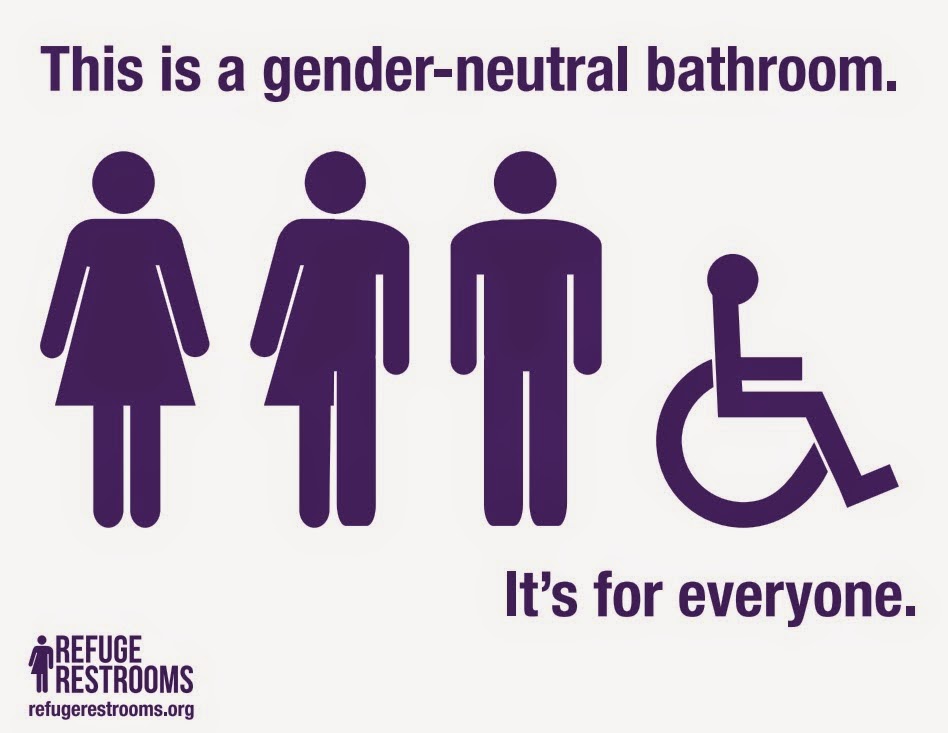
A gender neutral bathroom is a restroom that is open to people of all genders, as opposed to traditional men's and women's restrooms. These facilities promote inclusivity and privacy while accommodating diverse gender identities and expressions.