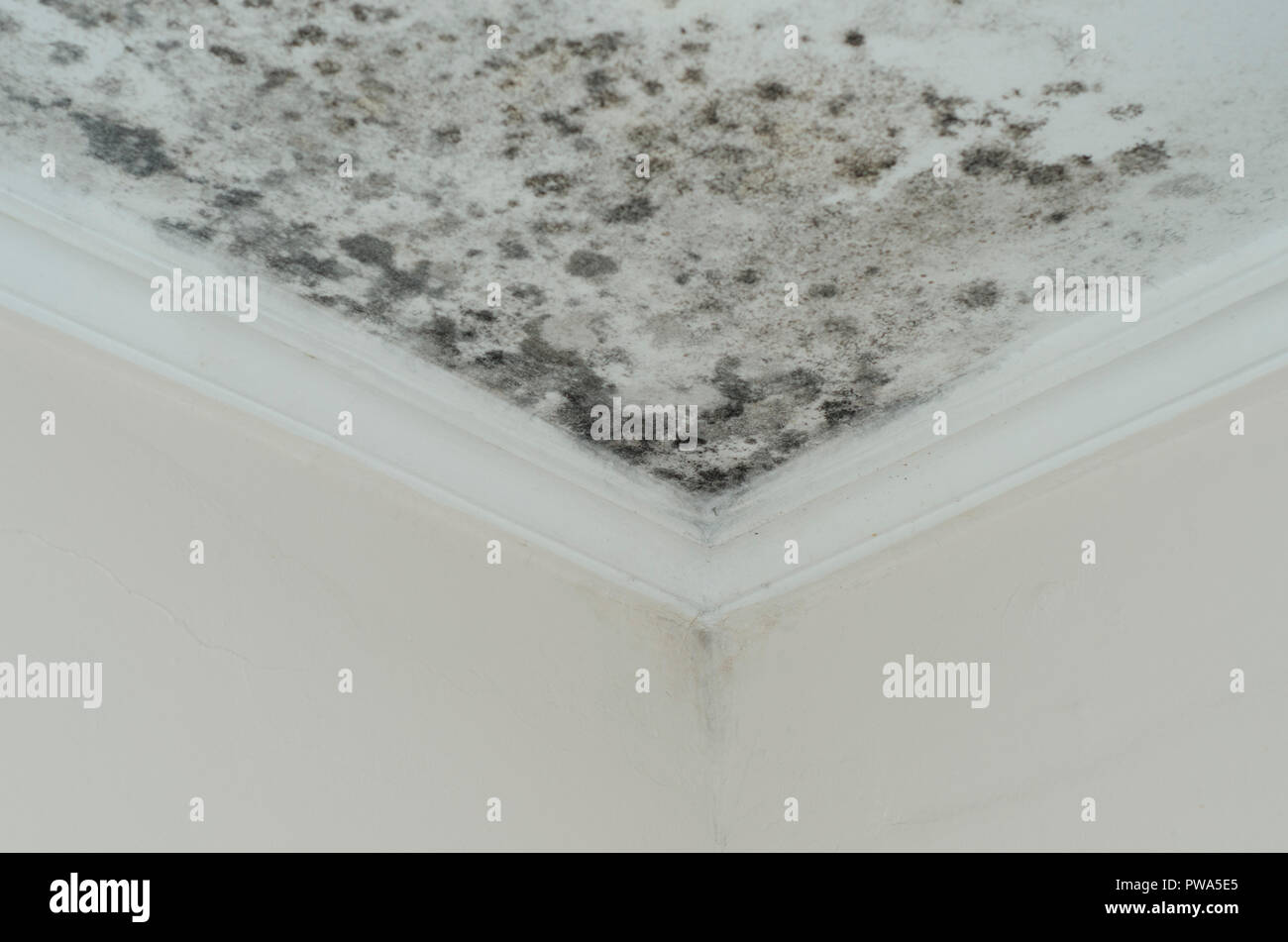
If a mold patch appears on the ceiling, it's important to clean it up-but also to identify and fix the root cause of the moisture to avoid recurring problems. What does ceiling mold look like? Mold and mildew are forms of fungi that develop around the home. Learn how to identify mold and mildew, the differences, and how to prevent them.

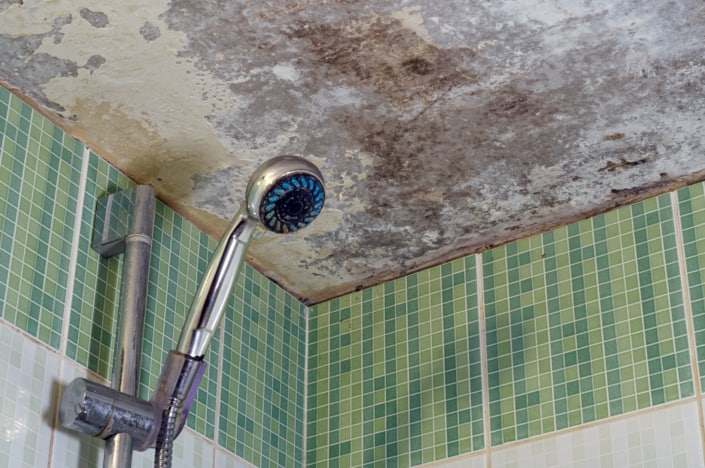
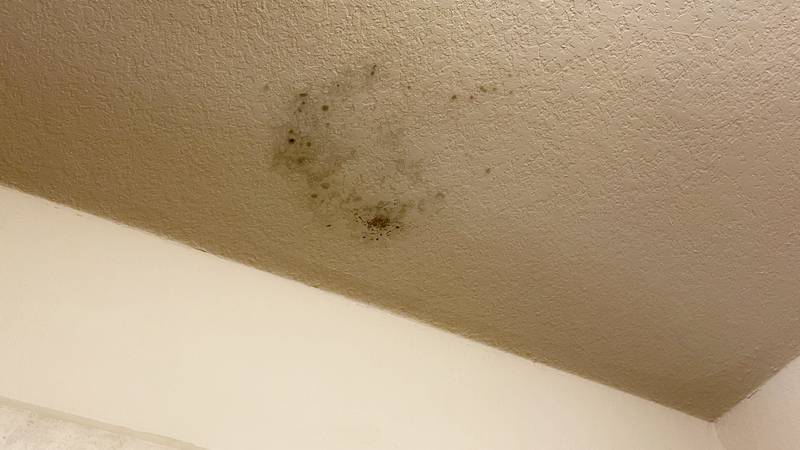
This visual guide offers a comprehensive understanding of the appearance of mold on bathroom ceilings, helping homeowners identify and address these unsightly and potentially harmful issues. Explore this guide to learn how to recognize and effectively deal with mold growth in your bathroom. What Does Mold on the Bathroom Ceiling Look Like? With so many species existing in the world, mold colonies can come in a variety of colors, shapes, and textures.

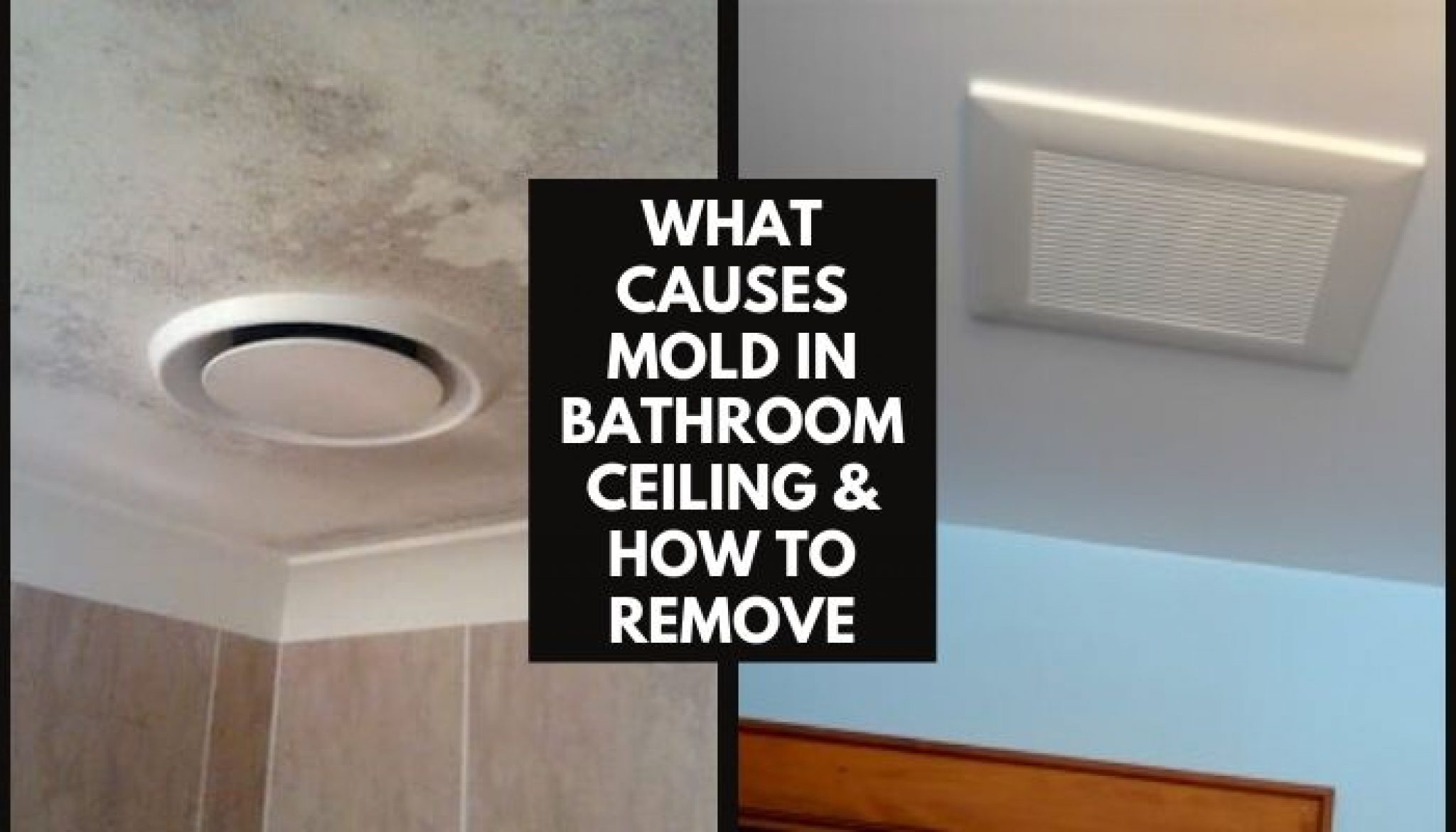
What Causes Mold In The Bathroom Ceiling at Ruby Vannatter blog
Some of the most common colors include green, white, grey, blue, red, black, brown, or a combination of them. As for textures, they could be fuzzy, powdery, velvety, or slimy. Even if it does get moldy unless just pure negligence, you can wipe it off (if white ceiling paint you can use bleach).
This is my go to for bathroom ceilings. Just to be clear you paint your whole bathroom with oil based primer. Ceilings done in oil based paint.
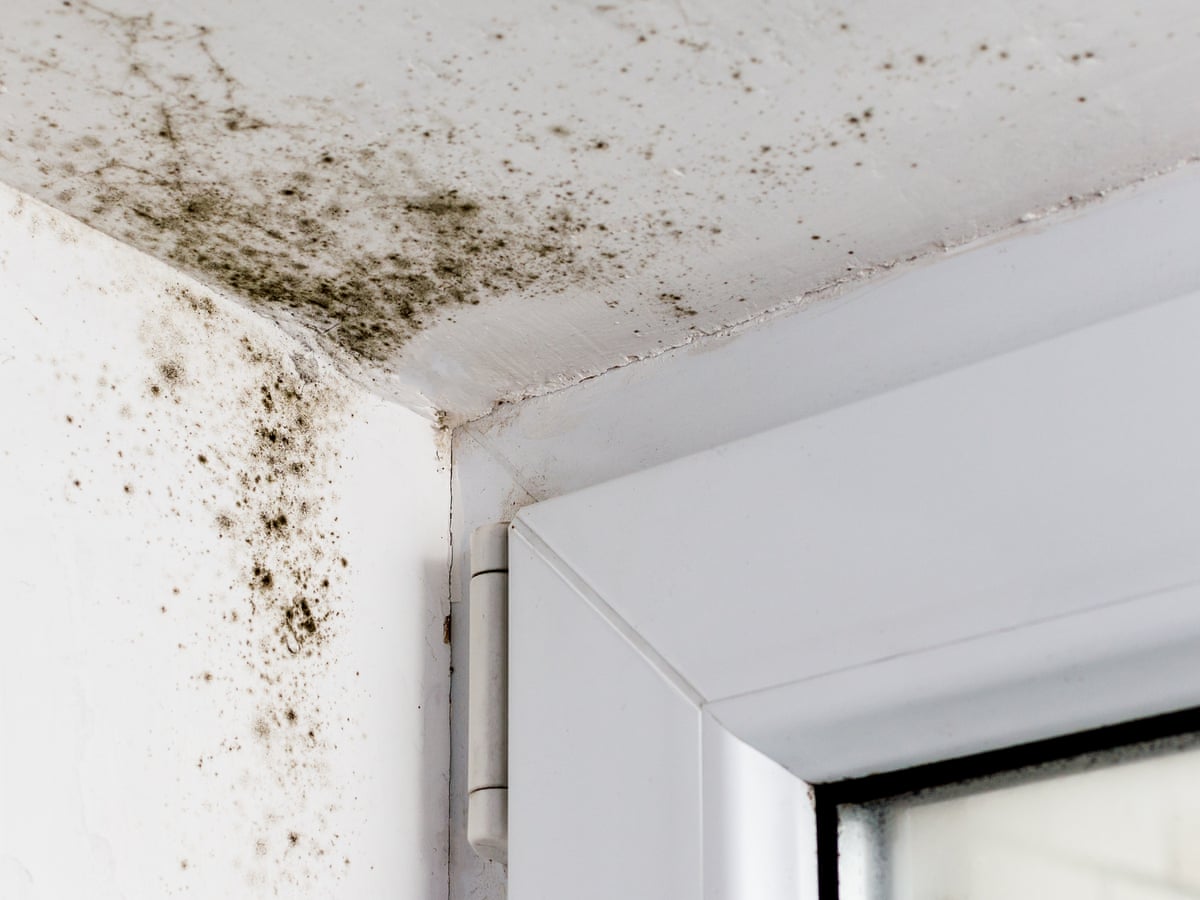
How To Remove Mold In Bathroom Ceiling at Hunter Hunter blog
Walls can be latex. #2 Oil based primer (two coats) and latex on ceiling. Mold on your bathroom ceiling is a common problem that many homeowners face.
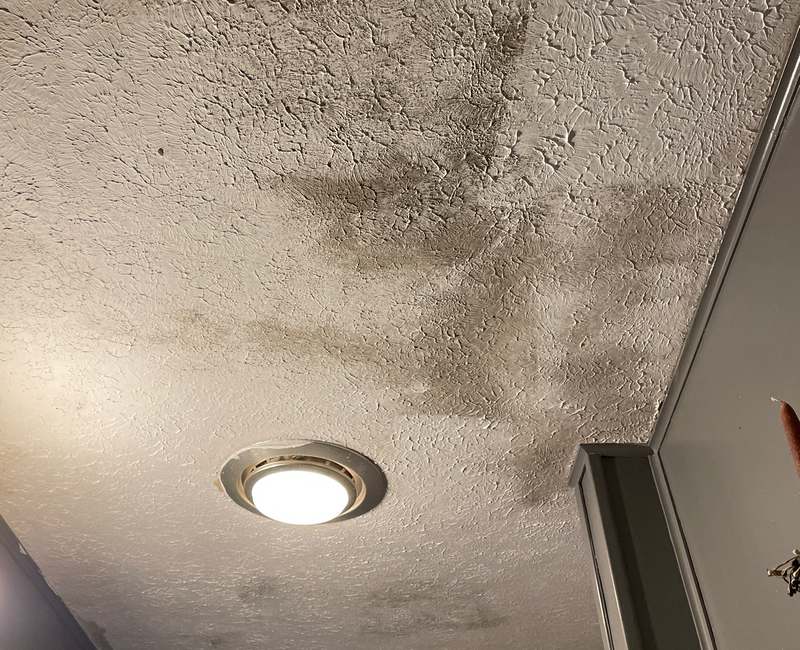
With all the humidity from showers and often poor ventilation, it creates the perfect environment for mold to grow. But it's not just about an unsightly ceiling-it can lead to health issues, especially for those with allergies or breathing problems, and if ignored, it can damage your bathroom. What's even.
:max_bytes(150000):strip_icc()/GettyImages-469903840-5e6f392408f24eeaa0fcc7a19e633f8d.jpg)
Mold On Bathroom Ceiling: How to Remove Mold From Ceiling
Mold is an unwelcome guest in our homes that, if left unchecked, can wreak havoc on our health and property values. As homeowners, we know that the bathroom is a prime breeding ground for mold, particularly on the ceiling. In this blog post, we dive into the causes behind mold growth on bathroom ceilings, how to detect it early on, and, most importantly, how to safely remove it as a DIYer.
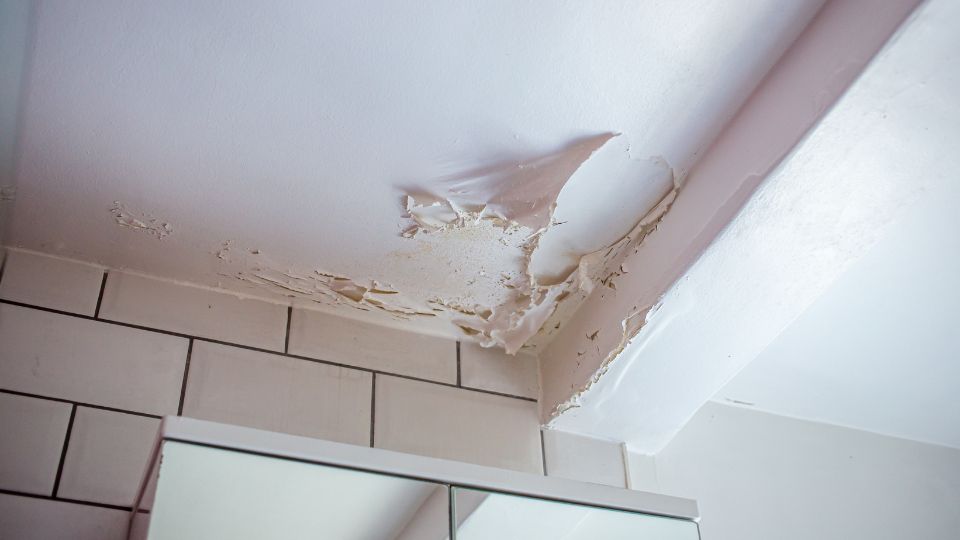
Identifying Mold on the Bathroom Ceiling The first step to removing mould from your ceiling is to identify it. Mould looks like tiny green or black spots on surfaces, usually accompanied by an unpleasant musty smell. If you think you have mould in your home, check for these signs.
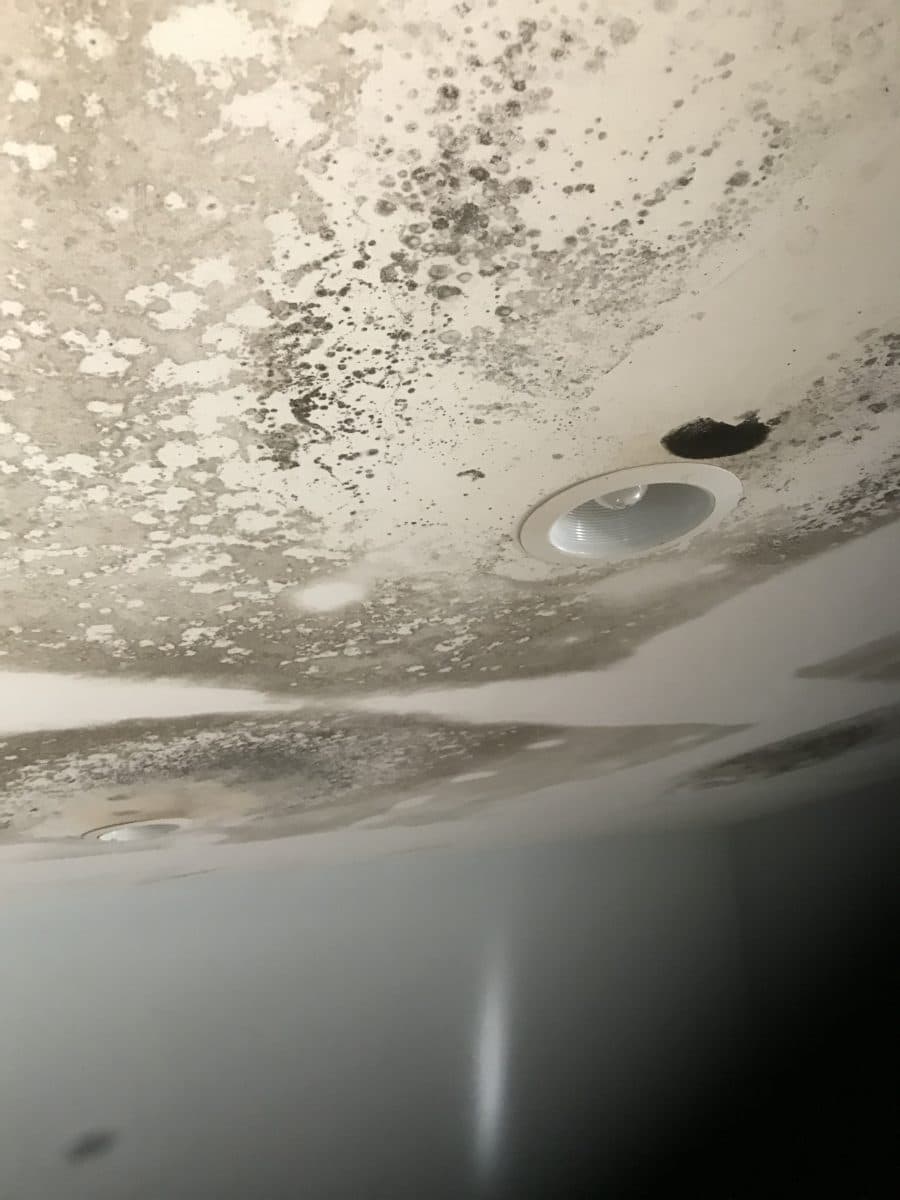
Bathroom mold, mildew looks gross and thrives in 'dark, damp areas.' It can irritate allergies, asthma and breathing problems. How to clean and prevent it. Alternatively, the mold on your bathroom ceiling may be caused by a leaky pipe.

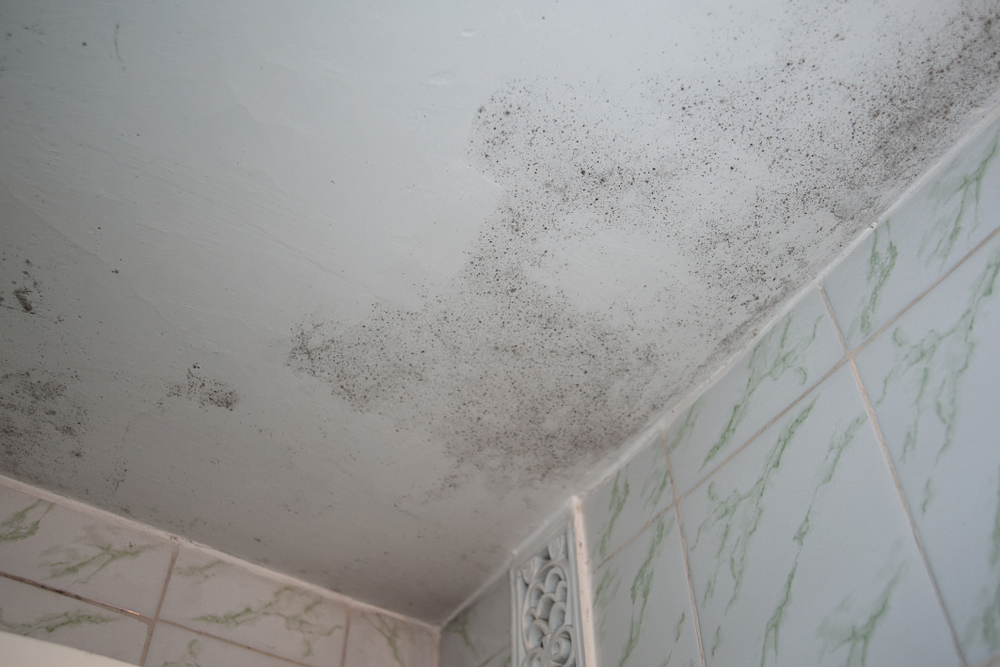
You can tell the difference because 'moisture mold' resembles speckles of black spray paint splashed on your ceiling. It's mostly concentrated at the edges of the bathroom ceiling. 'Wet mold' looks more like a large spreading stain.