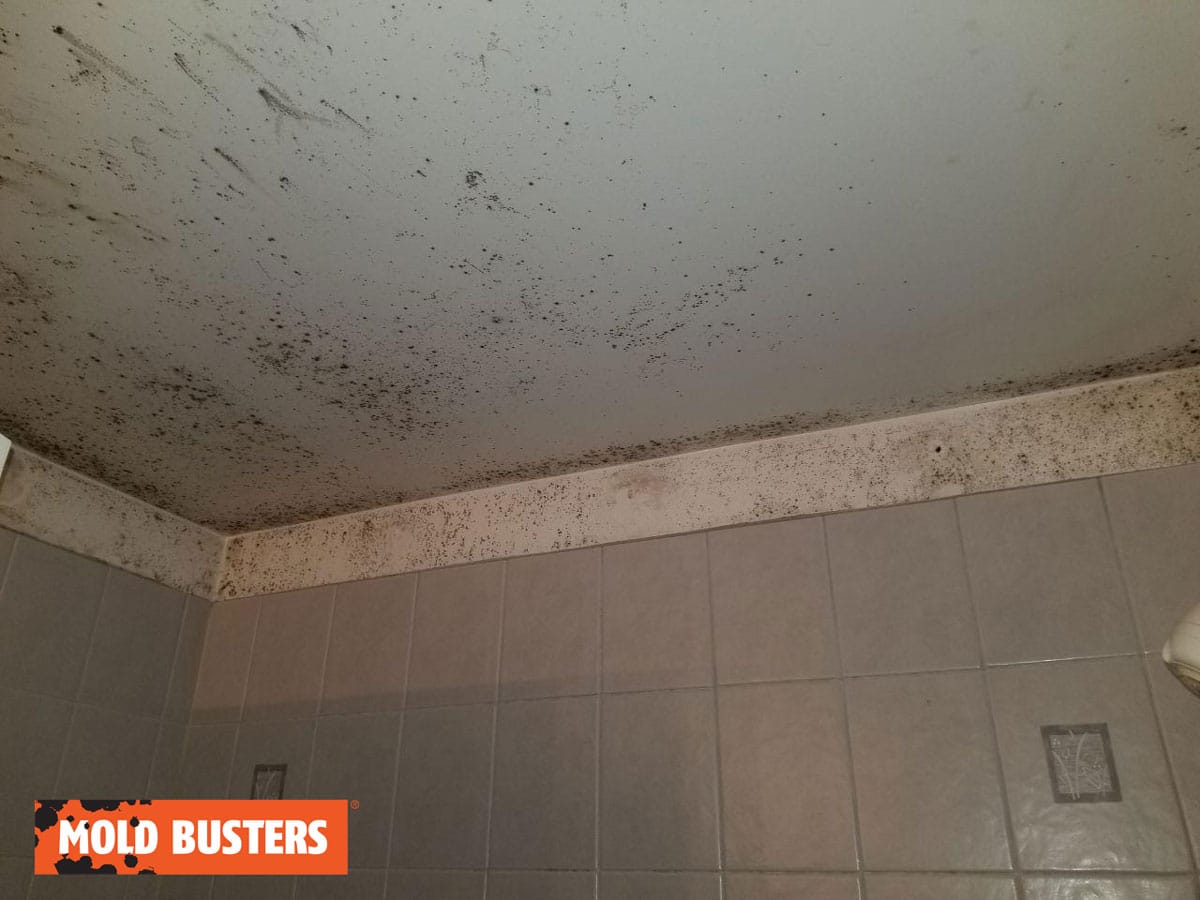
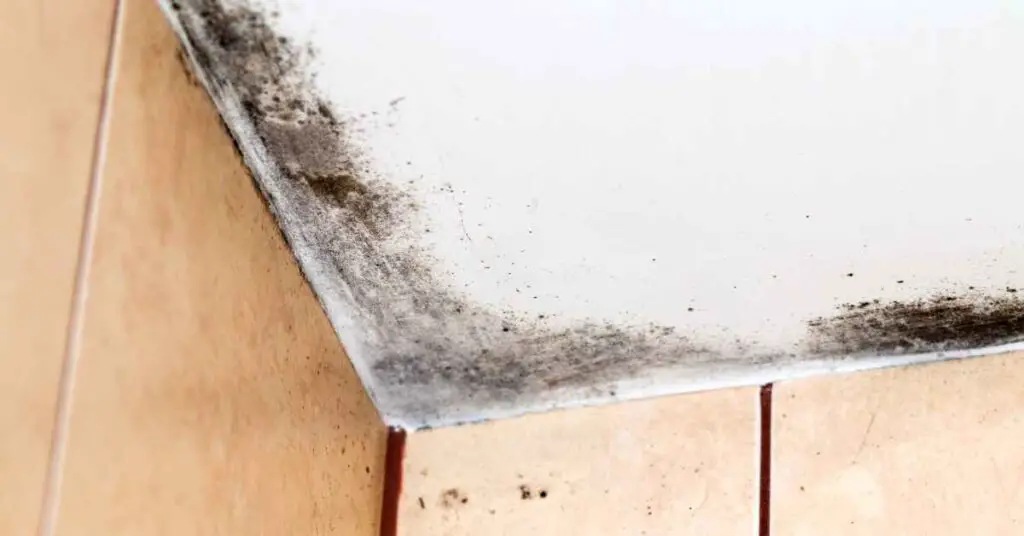
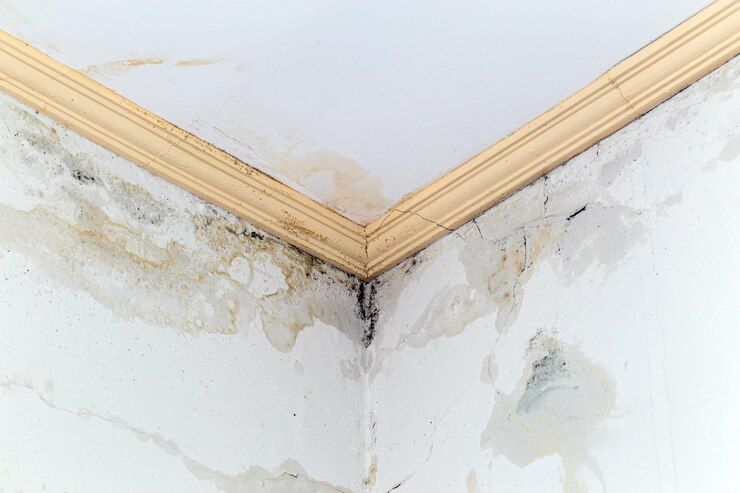
Mold in your home can be a serious health issue. Here's how to identify the cause of ceiling mold and how to remedy it. The mold on your bathroom ceiling is most often caused by changes in temperature.
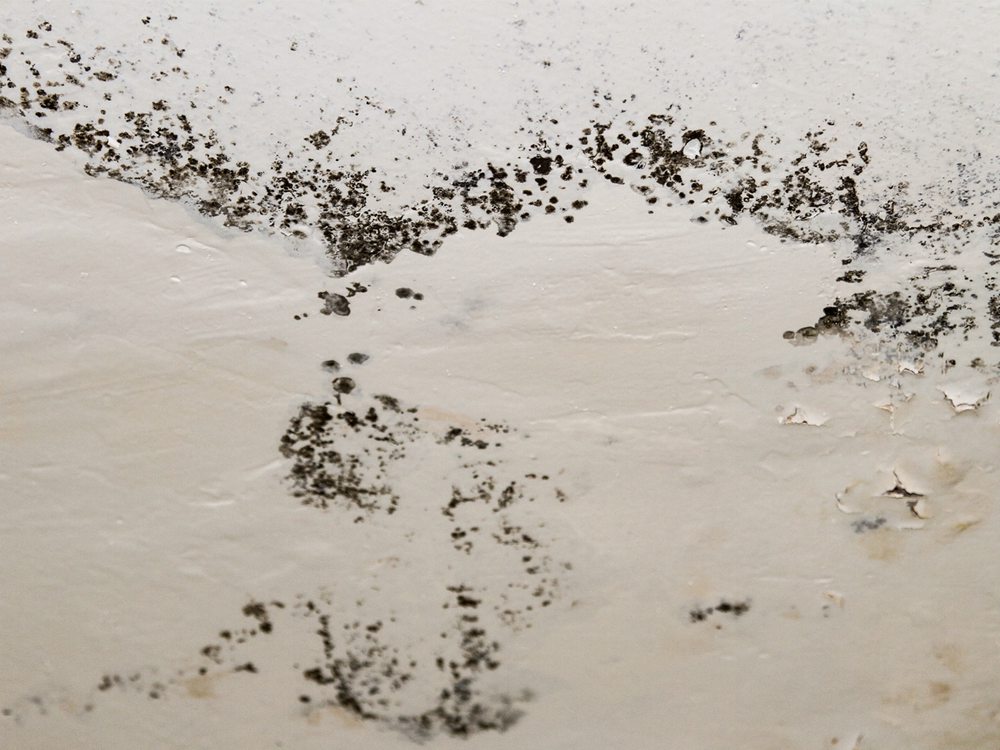
The cooler parts of the ceiling encourage condensation, especially metal fasteners, ceiling beams, crown molding, and edge trim. Mold On Bathroom Ceiling is a common yet concerning issue faced by many homeowners. The warm, moist environment of a bathroom creates the perfect breeding ground for mold to thrive.

Mold On Bathroom Ceiling - How To Remove Mold From Ceilings?
Left unchecked, mold can lead to health issues, unsightly stains, and even structural damage. In this comprehensive guide, we will explore the causes of mold growth on bathroom ceilings, effective prevention. Mold is a common household concern that many homeowners face, particularly in places with high humidity and moisture levels.

One area of the home that's particularly susceptible to mold growth is the bathroom, especially the ceiling. The sight of black or greenish patches on your bathroom ceiling can be off. What Causes Mold on Bathroom Ceilings? Mold on bathroom ceilings is often the result of persistent moisture caused by inadequate ventilation.

Bathroom Ceiling Mold: Removal & Prevention Guide
Hot showers and baths create steam, which, when not properly ventilated, can quickly lead to moisture buildup where mold thrives. Bathrooms can be breeding grounds for mold. If the ceiling has mold, learn how to safely remove mold from painted and tiled bathroom ceilings.

Causes Of Mold On Bathroom Ceilings Ever wondered why mold keeps appearing on your bathroom ceiling, no matter how often you clean it? Mold loves damp, dark, and humid environments, which makes your bathroom an ideal breeding ground. Understanding the causes can help you take targeted actions to stop mold in its tracks. High Humidity Levels Bathrooms naturally have high humidity due to showers.

Detecting and Preventing Mold Growth on Your Bathroom Ceiling - Trusscore
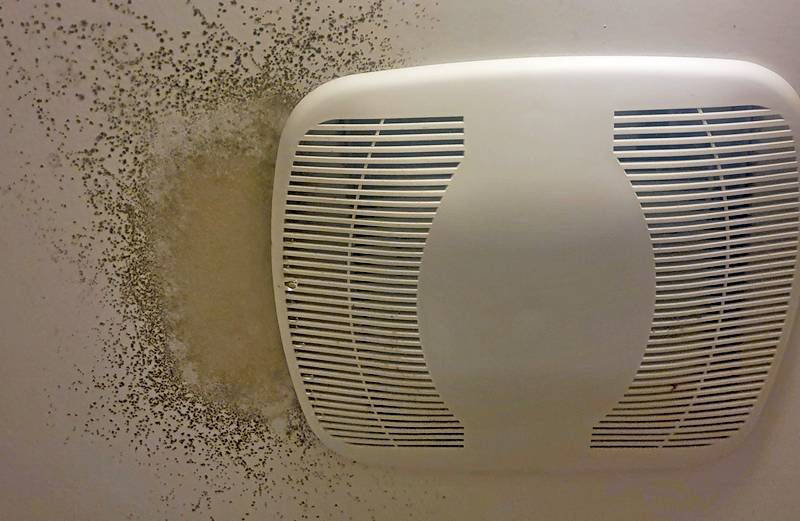
Common Causes of Mold on Bathroom Ceilings High Humidity and Poor Ventilation Bathrooms are naturally humid, but without proper exhaust fans or dehumidification, that moisture gets trapped near the ceiling. Over time, this creates the perfect breeding ground for mold. Improper or Undersized Exhaust Fans A fan that doesn't meet airflow standards (like 50+ CFM for small bathrooms) may not be.
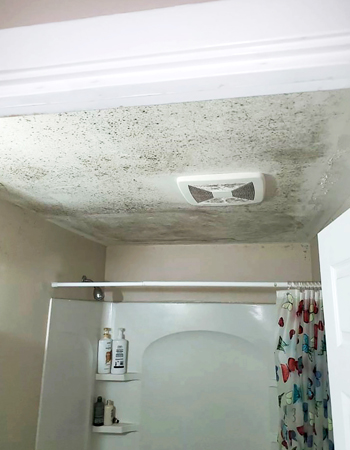
Learn how to get rid of mold on the bathroom ceiling, what causes it, and how to prevent or completely stop it in long. What Causes Bathroom Ceiling Mold? 1. Humidity buildup after showers Most bathrooms generate heavy moisture.
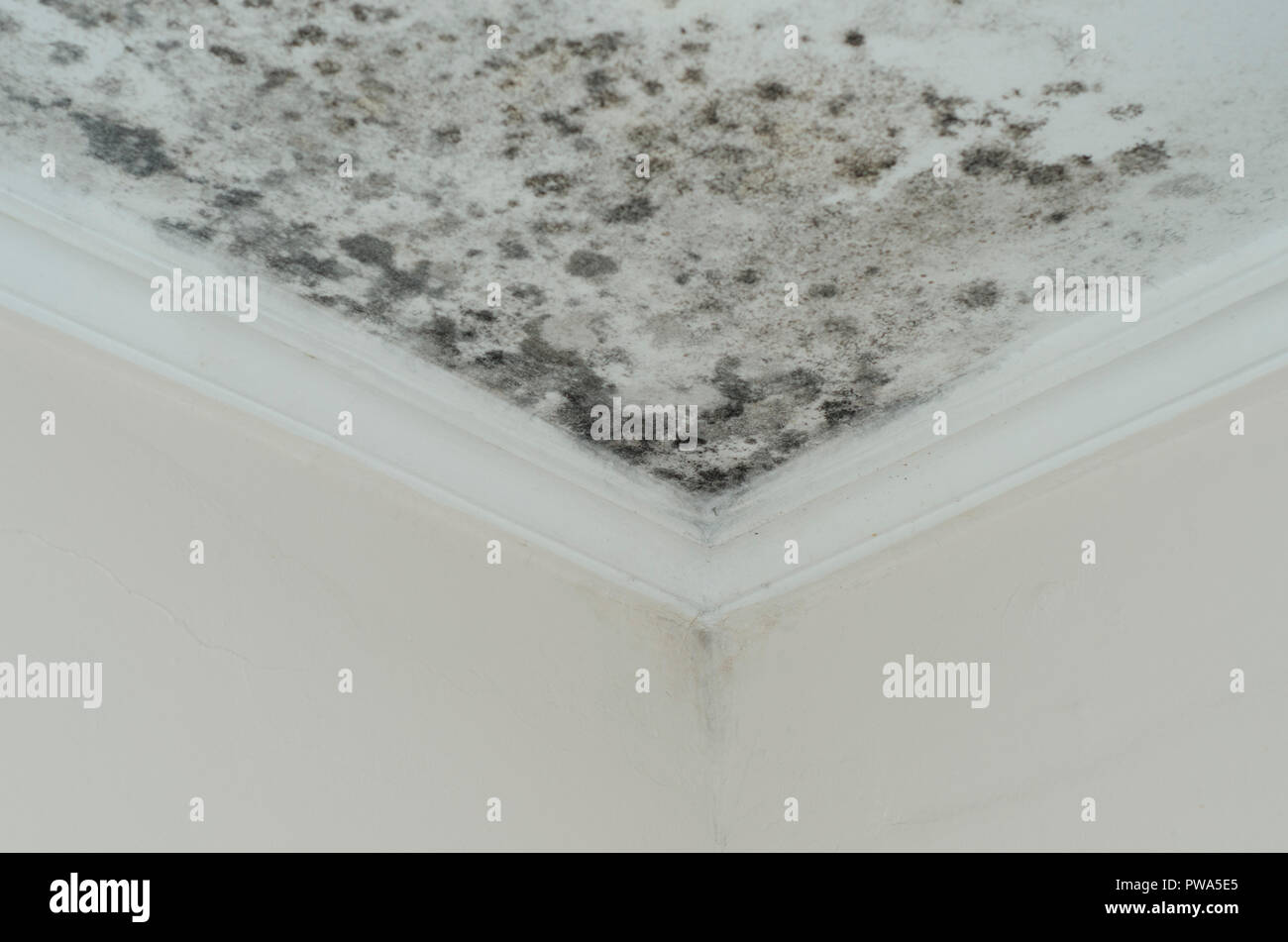
If there's no properly functioning exhaust fan, that moisture lingers and starts condensing on the ceiling. 2. Poor or missing ventilation A fan that's too weak, disconnected, or clogged with dust can't exhaust steam efficiently.