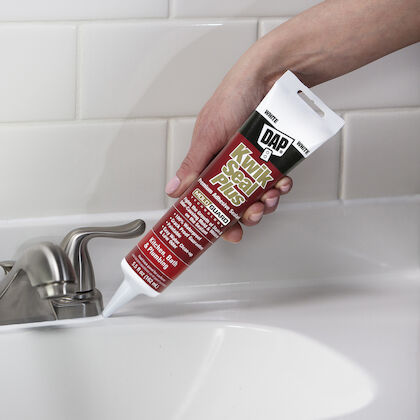
Caulk fills this gap to make your counter and sink watertight, while helping to eliminate any movement of the rim of the sink. To help prevent leaks or damage to your counter, seal and fill this gap with waterproof caulk whenever the old caulk begins to crack, discolor or peel. Choosing and using caulk the right way will get you a pro-quality finish around showers, tubs, and toilets.

Learn how to recaulk your undermount bathroom sink with our comprehensive guide. We provide step-by-step instructions, tips, and tricks to ensure a professional. We get asked often how to caulk a sink and how do plumbers caulk a sink.

How to Caulk a Bathroom Sink: 12 Steps (with Pictures) - wikiHow
Over time caulk can develop black mold or dry and crack around a bathroom sink. This it can look very ugly but more importantly, when the seal cracks, it could lead to water leaking under the sink. Removing old caulk and then re-caulking a bathroom sink may seem like a daunting job, but it's really not that difficult.

In this guide, we will walk you through the entire process of how to caulk. Step-by-Step Guide on How to Caulk Sink Caulking your sink doesn't have to feel like a high-stakes mission. With the right tools and a little know-how, you can tackle this task like a pro.
How to Caulk a Bathroom Sink: 12 Steps (with Pictures) - wikiHow
Tools and Materials Needed Caulk: Choose a silicone or acrylic latex caulk for flexibility and durability. This helps prevent future leaks and creaks. Both silicone caulk and plumber's putty however don't last forever.

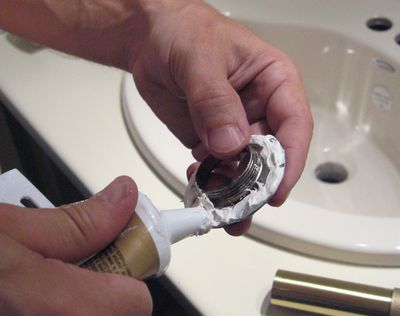
The seal will after a few years (depending on how well it was installed) break and the sink will start to leak from the bottom/underside. If you decide to seal you sink drain with caulk, make sure you use 100% silicone caulk, preferably white or clear. A properly sealed sink helps prevent water from seeping into cabinets, countertops, or drywall.

Caulking A Bathroom Sink Drain at Sam Bolivar blog
Without it, everyday splashes and condensation eventually cause mold, staining, and long-term fixture damage. This guide explains how to seal a bathroom sink using trusted GE silicone sealants for a clean, watertight finish that lasts. But, which sealant is best to seal the bathroom sink drain? Plumber's putty and silicone caulk are both good sealants for leaking sink drains.

Although both will create a good seal, plumber's putty is preferred for sink drain flanges while silicone caulk provides the best seal between the edges of the sink and the countertop. Caulking your bathroom sink is a simple but essential home maintenance task that can prevent water damage and keep your bathroom looking its best. Whether you're a seasoned DIYer or a novice, this guide will provide you with all the information you need to successfully caulk your bathroom sink.