The toilet flange is a circular toilet part that is made from PVC, rubber, or metal. The goal of the toilet flange is to secure the toilet to the floor and connect the toilet to the drain. Some people debate whether they should caulk around the flange.
:max_bytes(150000):strip_icc()/installing-a-toilet-flange-extension-2719027-04-6d718f1d094b4fae9074e035c6bf3104.jpg)
The most common reason people do not caulk around the toilet flange is that they fear water will be trapped under the toilet should the flange. Toilet Flange is the part that connects the toilet's ending to the floor's base. The flange pipe is made of plastic or PVC-based material, and its primary goal is to create piping for the toilet waste to leave through the wastewater line.
:max_bytes(150000):strip_icc()/setting-a-toilet-2719046-01-0db328a65c274dc88231545451825328.jpeg)
How To Replace an RV Toilet Flange Seal - Camping World
It's likely that you've gotten two answers to the question, " Should I caulk around toilet flange? Avoid leaks and odors by re-caulking your toilet Caulking around a toilet is usually done to hide the gap between the toilet's base and the floor for cosmetic reasons or to prevent odor leakage. It's a relatively simple home improvement. Well, there are many advantages but one is because caulk prevents water from seeping under the toilet and causing a huge mess, another reason to seal the toilet to the floor with caulk does not.

Applying caulk to a properly installed toilet prevents water, urine, and other contaminants from seeping under the toilet, as well as acting as a barrier for pest prevention. A faulty toilet flange can be the culprit, causing water to seep into your subfloor and potentially leading to costly repairs. But don't worry, fixing a toilet flange doesn't have to be a daunting task.
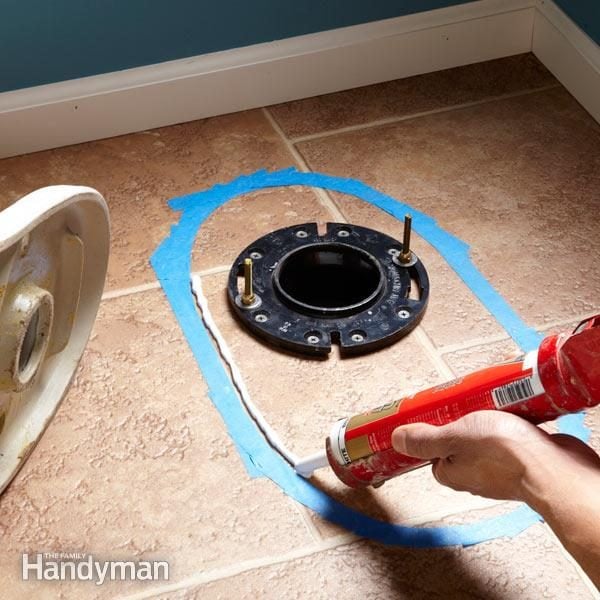
How to Replace PVC Toilet Flange and Seal - YouTube
This comprehensive guide will walk you through the process of how to glue toilet flange and ensure a secure and leak. The bolts are supposed to keep the toilet secure, but caulk helps. Should I caulk around a toilet flange? Yes, it is generally advisable to caulk or seal the bottom of a toilet for several reasons: Prevent Water Damage: Caulking helps prevent water from seeping under the toilet, which can lead to water damage, mold, and mildew in the bathroom.

So, you've decided to tackle the daunting task of caulking around your toilet. Congratulations! You're officially one step closer to becoming a DIY legend-or at least avoiding that awkward moment when your bathroom looks like a water park. Caulking might seem like a small detail, but it's crucial for keeping your bathroom dry and mold-free.
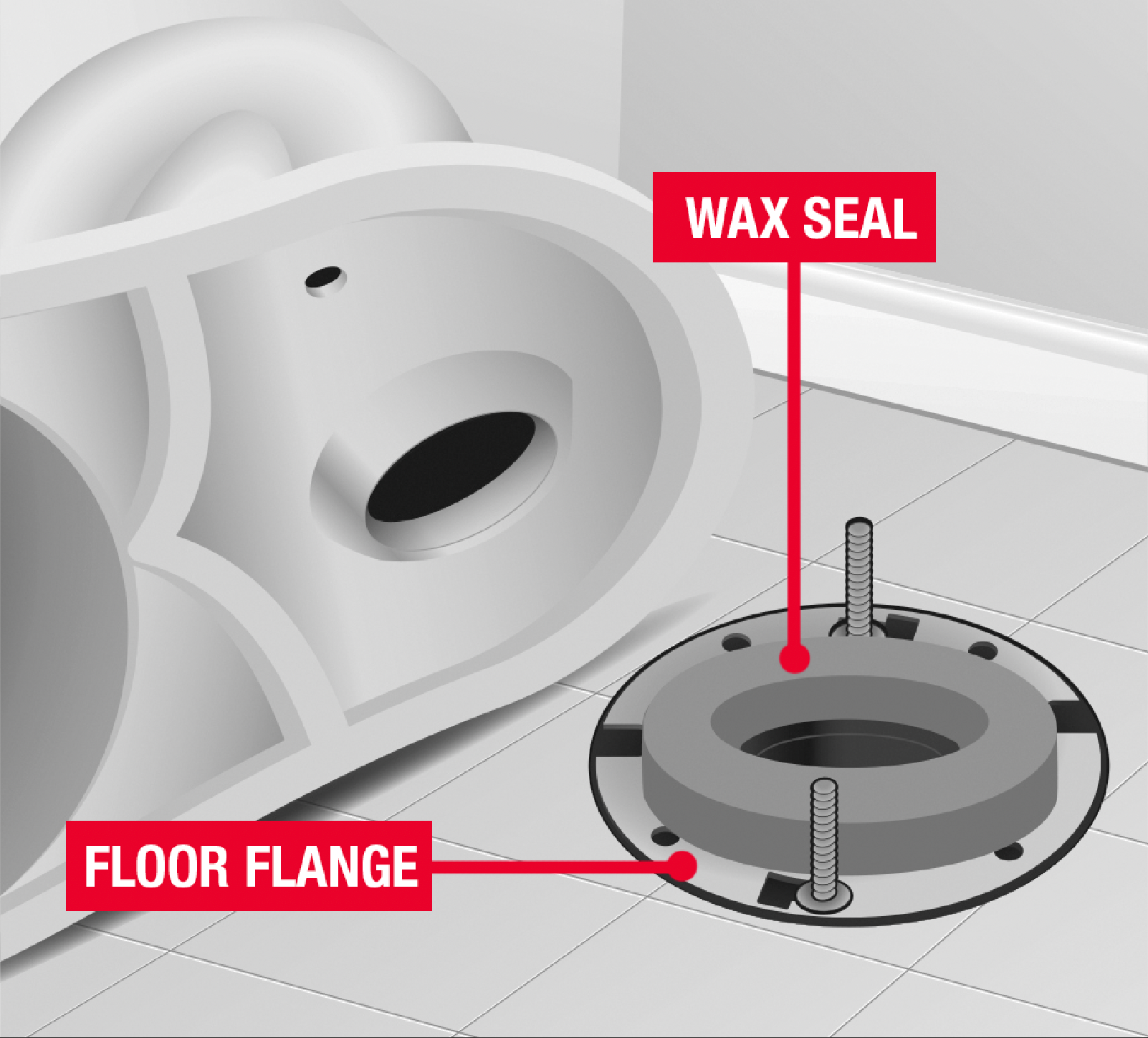
How to Install a Toilet Flange | Oatey
Plus, who doesn't want to impress guests. Key Takeaways Essential materials and tools for caulking include high-quality silicone caulk, caulking gun, and caulk finishing tool. Planning a caulking project for a toilet typically takes 1 to 3 hours, influenced by experience level, old caulk removal time, and curing time.
Proper caulking of a toilet prevents water damage, mold growth, and enhances structural stability and aesthetic appeal. How a plumber caulks a toilet. This Video will show you how to caulk a toilet.
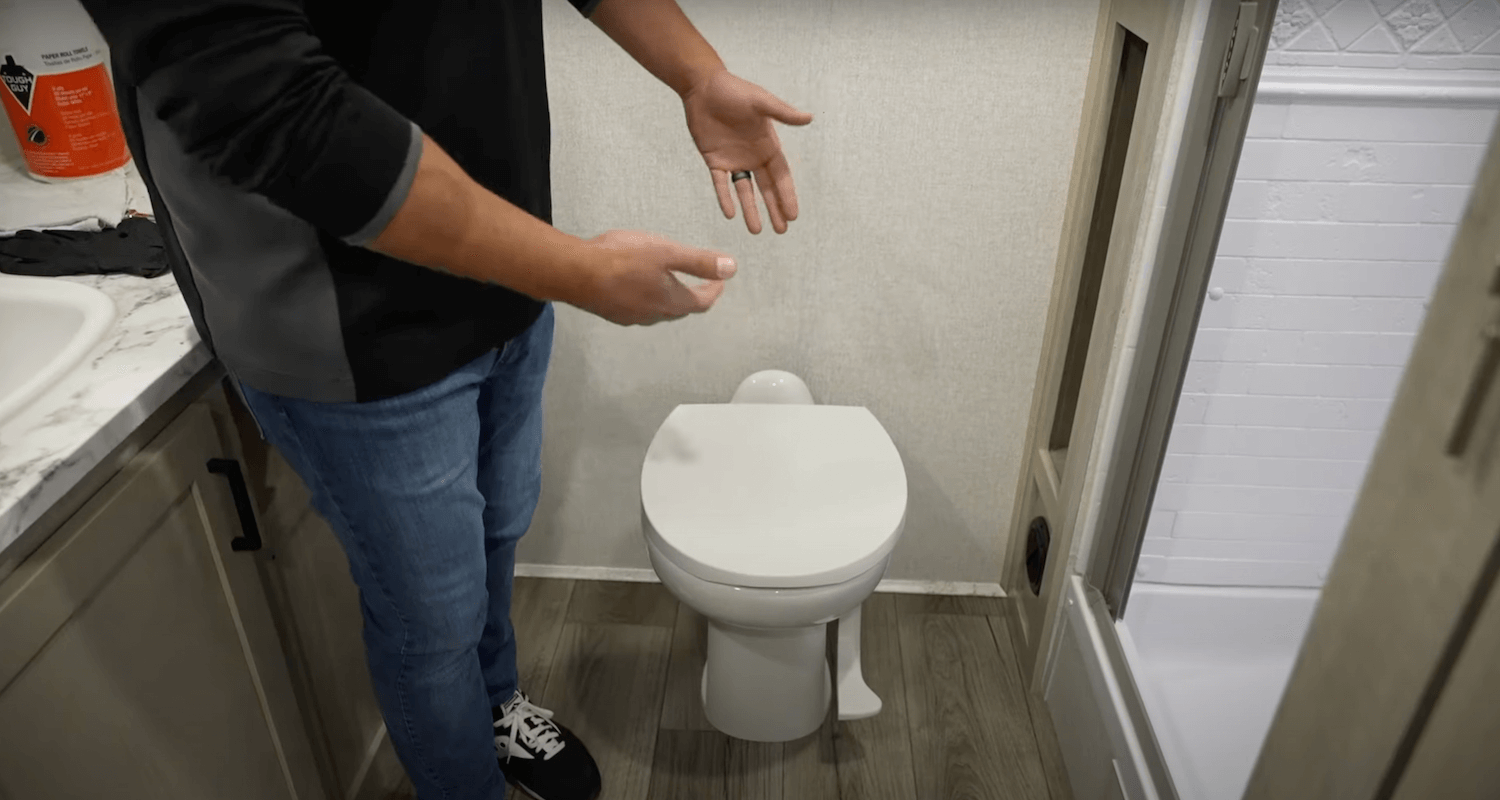
Be sure to leave a gap in the back and use a water clean up caulk. this is a great beginner do it yourself project.
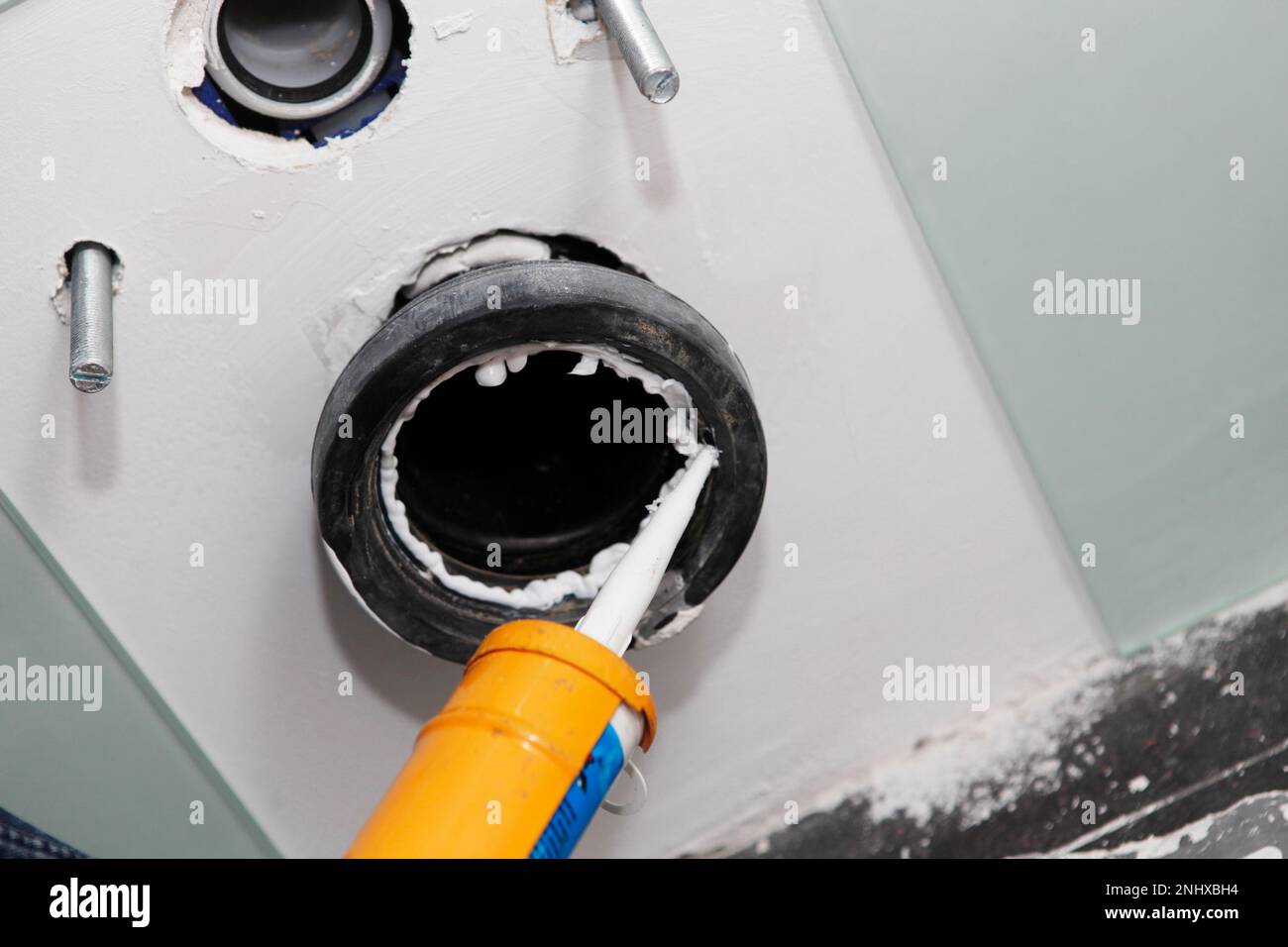
:max_bytes(150000):strip_icc()/installing-a-toilet-flange-extension-2719027-05-903fb8da92fd47909d6e88d30291807e.jpg)


