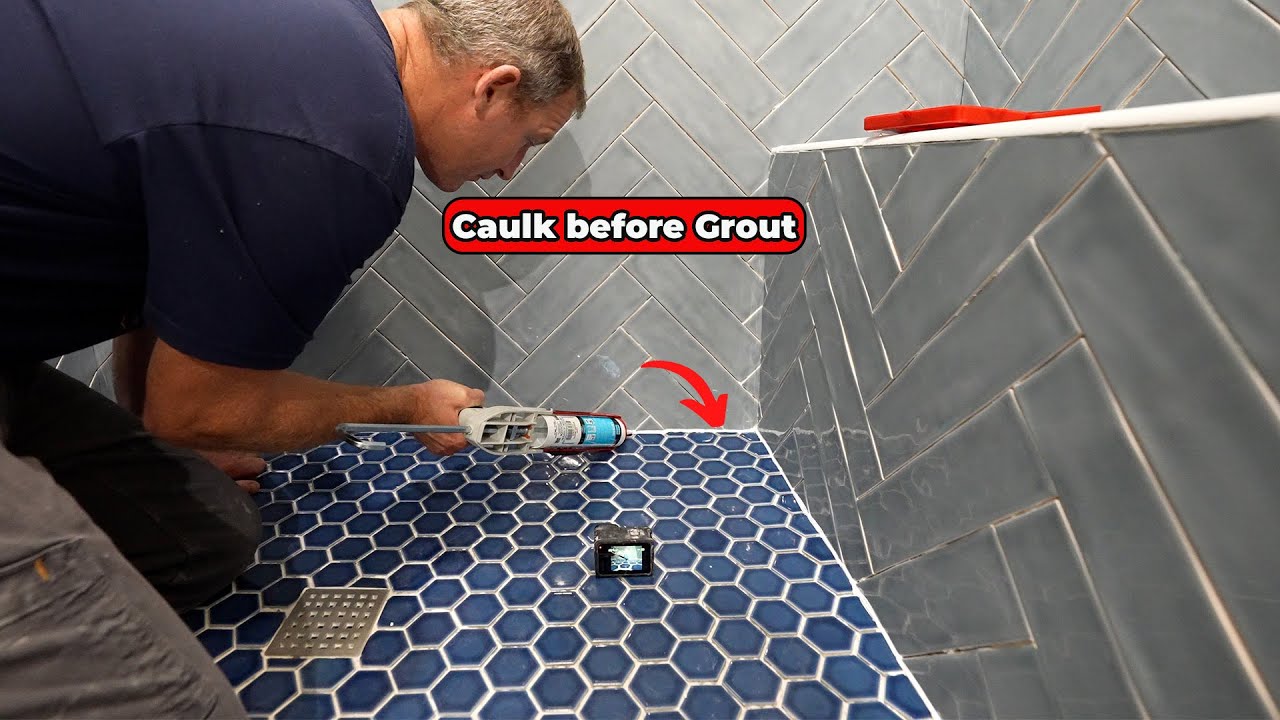
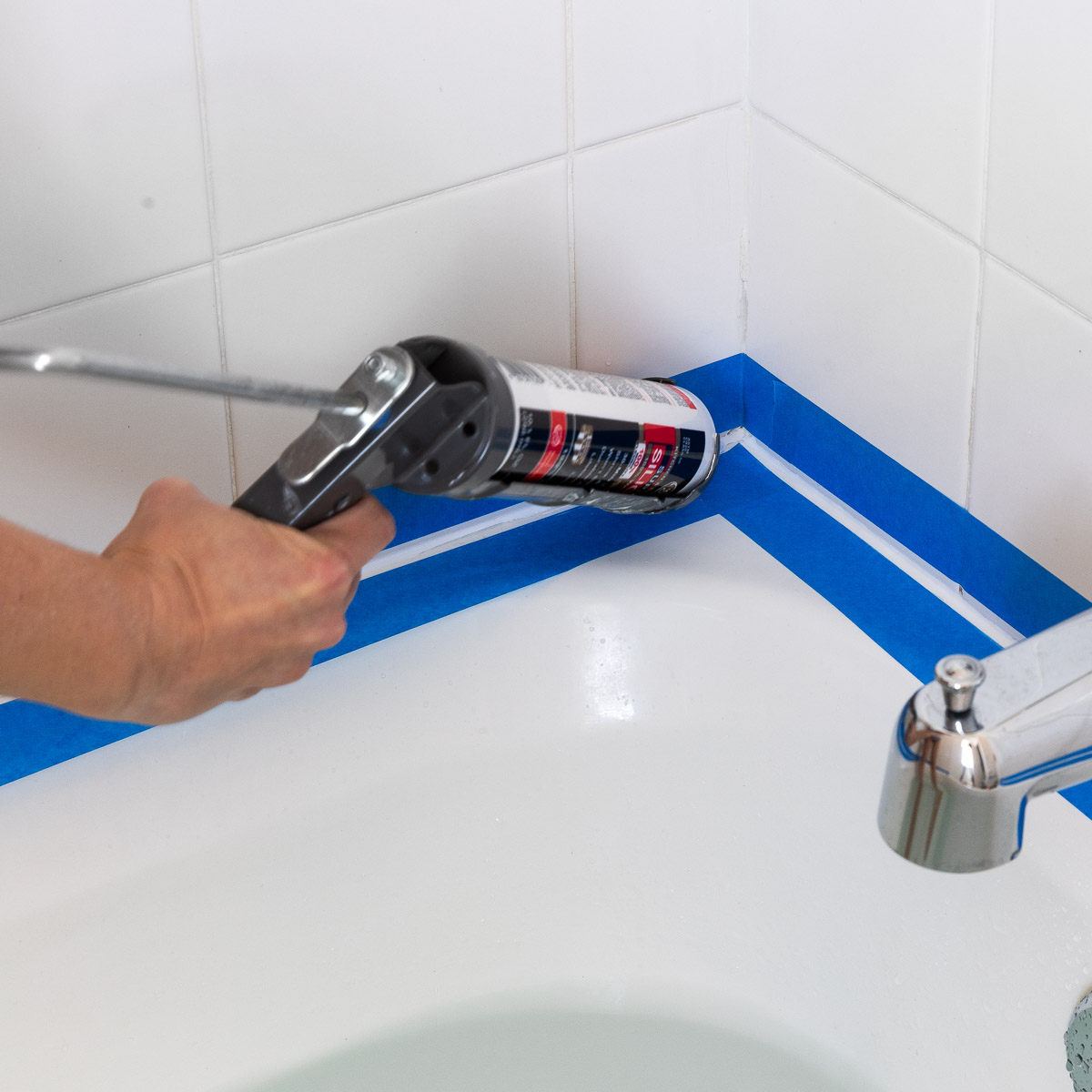
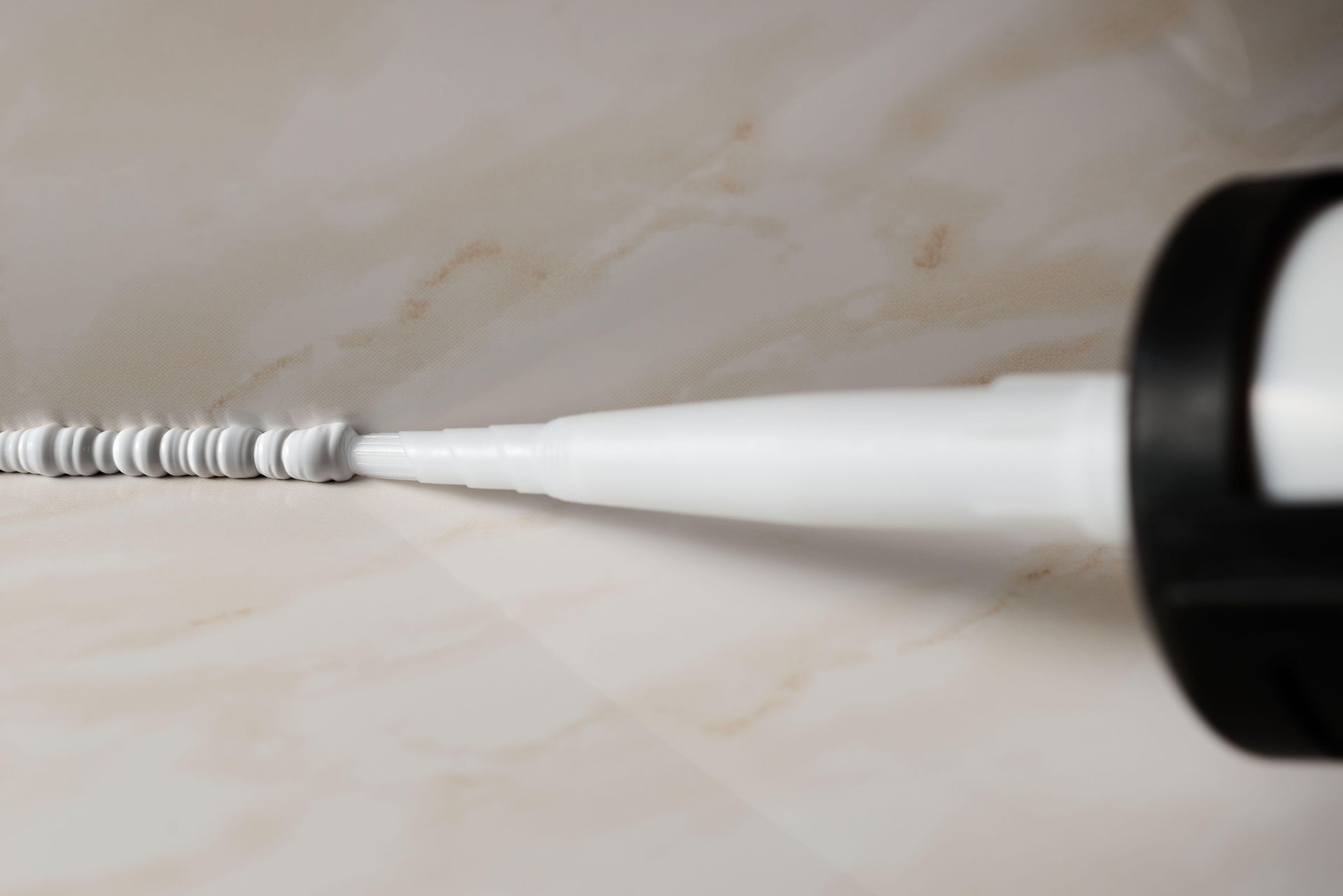
Refreshing caulk every year or so goes a long way to preventing water damage and mildew. Caulking a shower or tub is an easy DIY, too! Here's how to get professional. I am planning to apply the silicone.
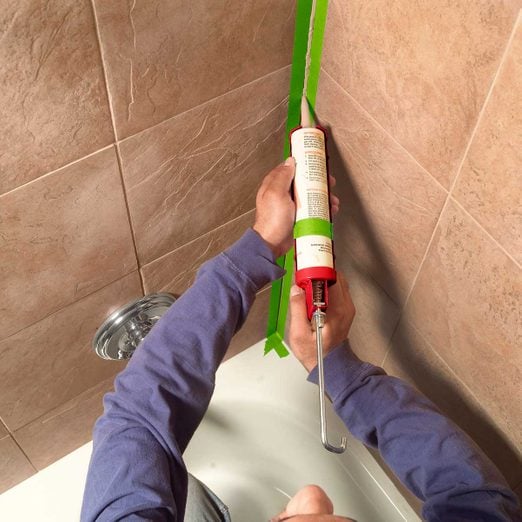
When applying silicone to the escutcheon plate, some people recommend putting it only on the top area where the plate meets the tile wall, where water would flow down into on top of the plate from the top of the shower. Most people understand the need to caulk the long seams between the wall and the edges of a bathtub or shower pan, or along the rails of a shower door. But often overlooked are the smaller seams around escutcheon plates and the various rings or caps concealing the holes where plumbing pipes or faucet valves come through the wall.
:max_bytes(150000):strip_icc()/how-to-caulk-a-shower-5208078-hero-d8532bbc811141bf8b61b144761050d0.jpg)
How to Caulk Shower And Bathtub Trim
If these joints aren't caulked, water can easily get behind them. Caulking a shower enclosure is one of the least expensive ways to protect a bathroom from moisture damage. Choose a caulk that is designed both for bathrooms and for mildew resistance.

Silicone caulk forms a stronger seal than latex caulk. Step 2 - Install the Plate Slide the escutcheon plate up the shower arm to the wall of the shower enclosure and press the plate firmly against the wall. Hold it in place for a minute or two, applying firm, even pressure.
:max_bytes(150000):strip_icc()/apply_dap-56a73ba03df78cf772938157.jpg)
Caulk Or Grout Around Shower Floor at Larry Shuler blog
The plumber's putty should be applied in an even coat, all over the surface of the plate. Learn how you can caulk a shower to prevent mold and water damage. Find tips for selecting and applying the right caulk for a watertight, fresh.
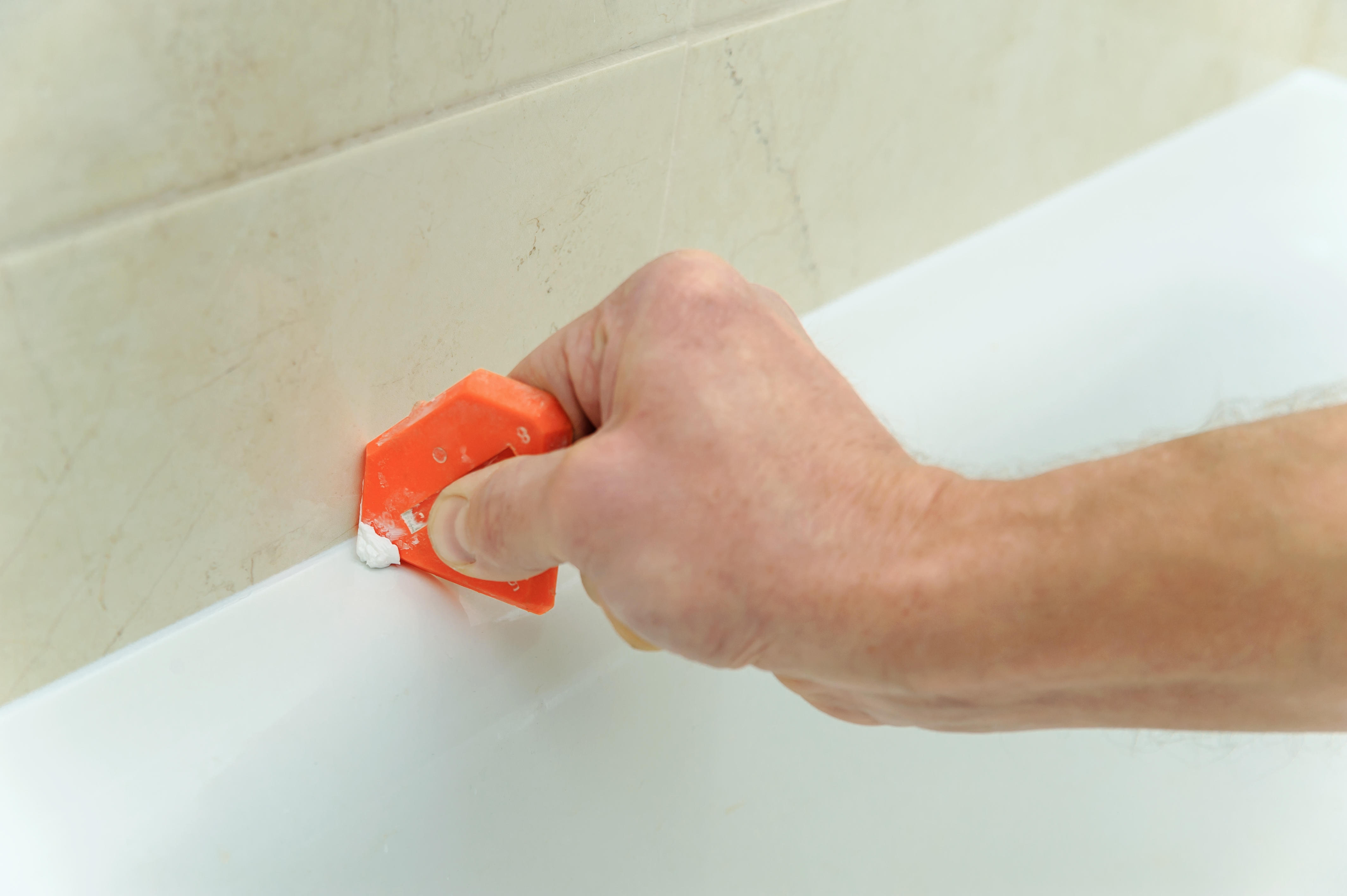
Here's your step-by-step guide on how to caulk a shower or tub. How to prep, what materials and tools to get, and how to complete the job like a pro. Understanding the types of caulk is equally essential.

How to Caulk a Shower
Silicone caulk excels in moisture-prone areas, while acrylic latex caulk is your friend for areas that need paint. Choose wisely, and you'll keep your shower looking fab longer! The best shower caulk for this project will be 100% silicone. The label should specify that the caulk is designed for kitchens and bathrooms - that means it can stand up to water.
:max_bytes(150000):strip_icc()/how-to-caulk-a-shower-5208078-09-94ce11e777354f7e910a4c3f37e714af.jpg)
In addition to holding out water, silicone caulk will also hold trim pieces firmly against the wall. However, latex caulk can be easier to spread and use for a. What To Know Thoroughly clean the mating surfaces of the valve body and the trim plate using a damp cloth.

Apply a thin bead of silicone caulk around the perimeter of the trim plate where it meets the wall. No, it is important to allow the caulk to dry completely before using the shower to ensure a proper seal.

:max_bytes(150000):strip_icc()/man-using-caulking-gun--close-up-88798568-5c454a89c9e77c000100c4e4.jpg)

:max_bytes(150000):strip_icc()/how-to-caulk-a-shower-5208078-06-3b5125b61dfc4e7e9f9f34bd89924a36.jpg)