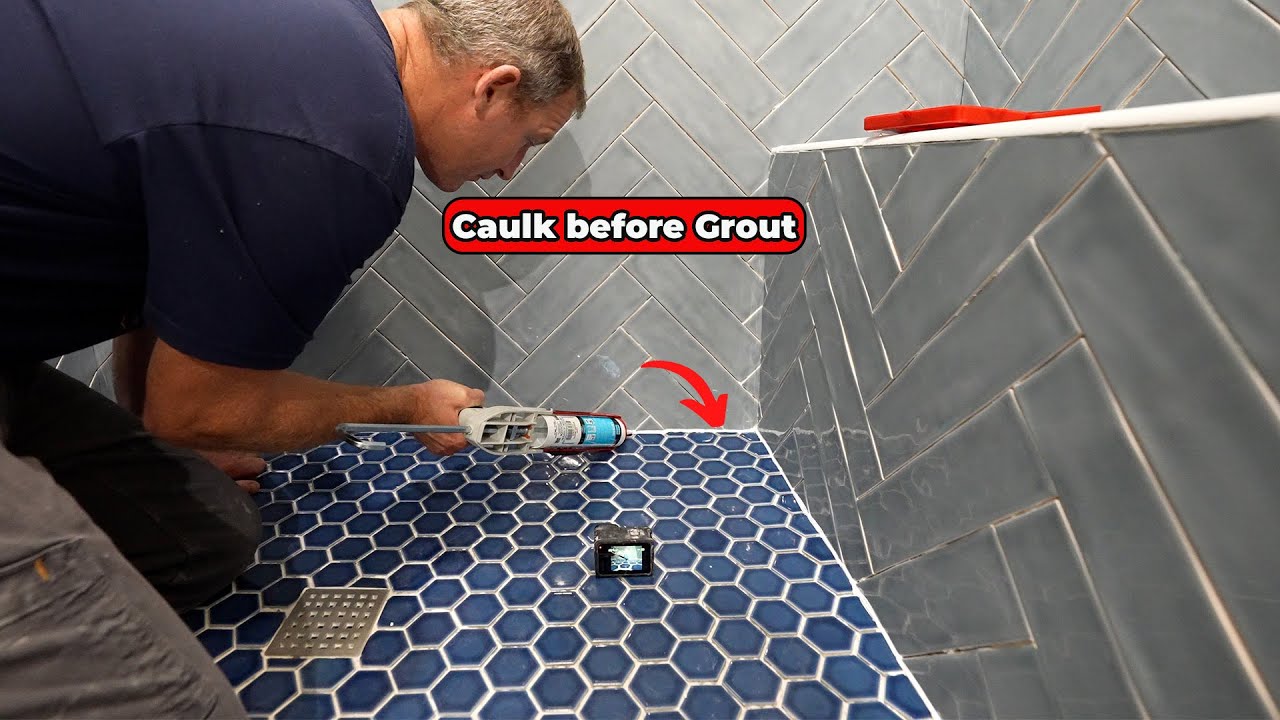
Refreshing caulk every year or so goes a long way to preventing water damage and mildew. Caulking a shower or tub is an easy DIY, too! Here's how to get professional. Caulking a shower effectively is crucial for maintaining your bathroom and preventing water damage.
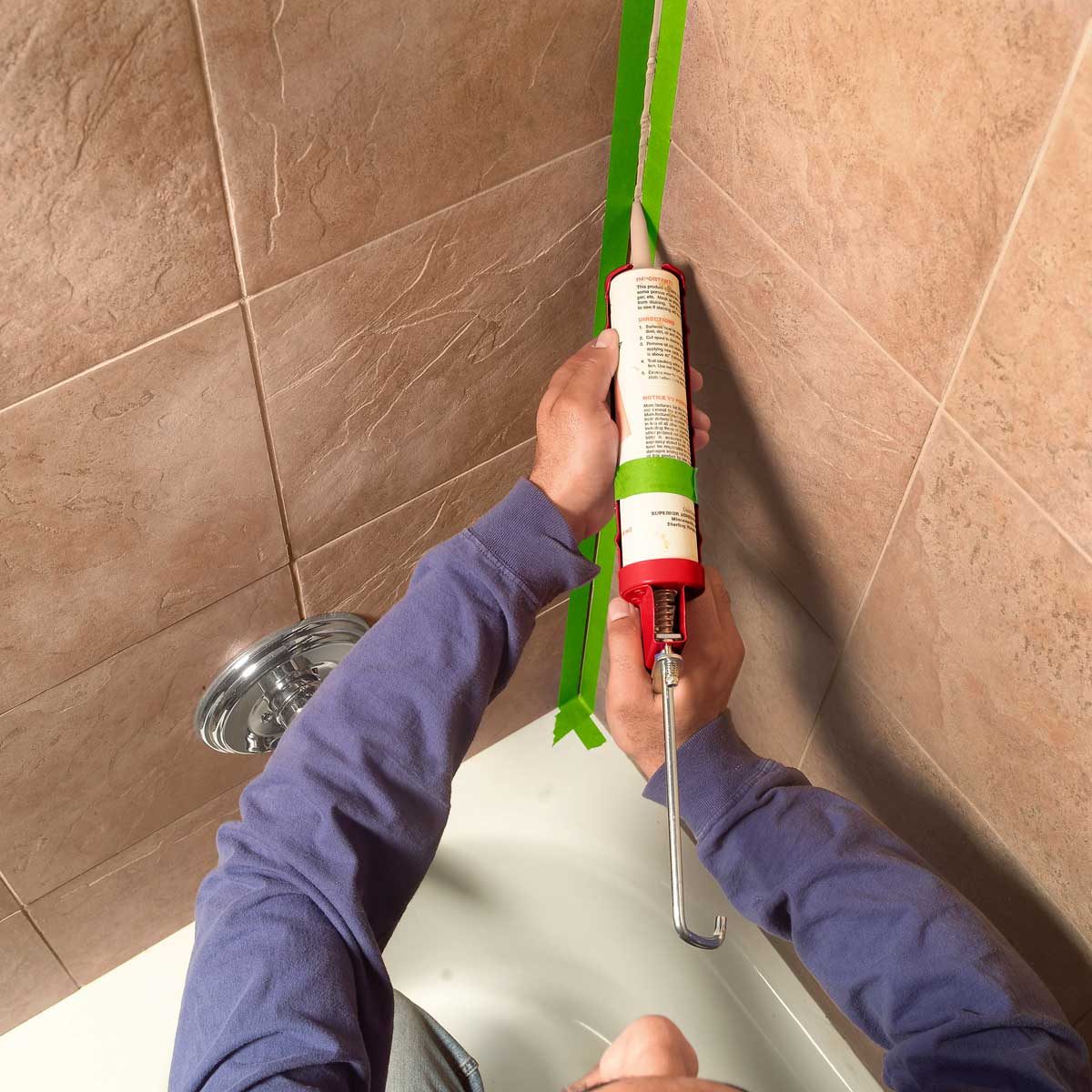
By sealing gaps in shower kits or tiled surfaces, you keep water contained and protect the walls from moisture. If your shower already has caulk, it's important to remove the old caulk before applying new layers. Caulking a shower enclosure is one of the least expensive ways to protect a bathroom from moisture damage.
:max_bytes(150000):strip_icc()/how-to-caulk-a-shower-5208078-hero-d8532bbc811141bf8b61b144761050d0.jpg)
How to Install Adhesive Tub or Shower Surround Panels
Choose a caulk that is designed both for bathrooms and for mildew resistance. Silicone caulk forms a stronger seal than latex caulk. To prevent this, it's important to replace old caulk or sealant with a new, 100% silicone seal.
:max_bytes(150000):strip_icc()/adhesive-type-tub-and-shower-surround-2718959-08-2faed94c06094f6592f821a6d84ed00e.jpg)
Follow this video to learn how to seal a shower so it's 100% waterproof and mold. Caulk around the top of the shower wall panels, the seams between panels, the sides and the bottom where the walls meet the tub. Install the shower handle, showerhead and tub spout according to the manufacturer's instructions.
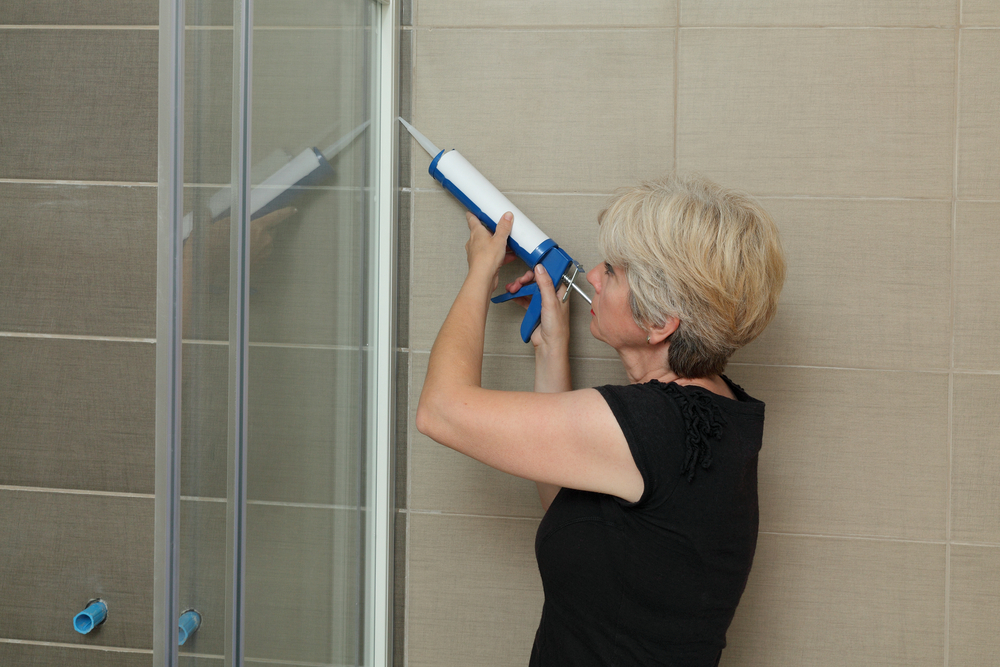
How To Caulk A Shower Wall at Terry Summers blog
Mold always shows up in bathroom caulking. This article explains how to clean the old caulk out and how to caulk a shower or tub. Learn how you can caulk a shower to prevent mold and water damage.
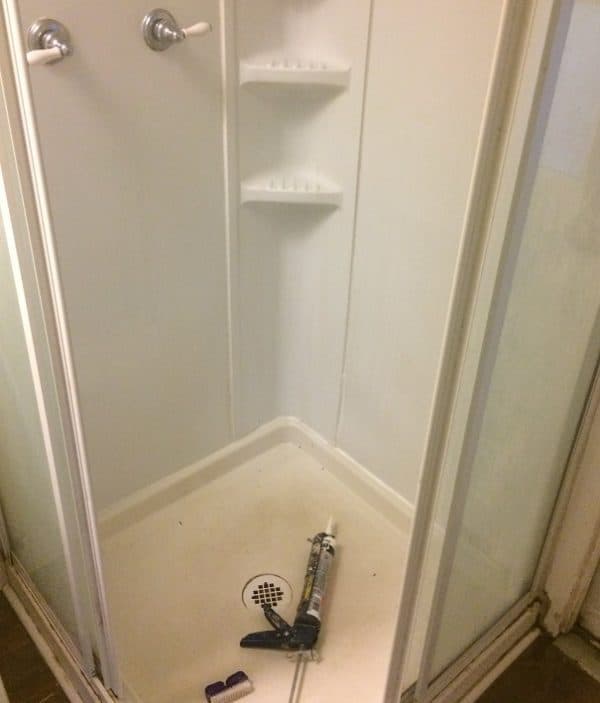
Find tips for selecting and applying the right caulk for a watertight, fresh. Shower wall panels are pre-cut and ready to put up as either a shower addition or as a tub surround. These panels are plastic and have seams that interlock.
How to Caulk a Shower or Bathtub - YouTube
The seams fit tightly and securely together when installed correctly, but the finishing touch is to caulk them and make them waterproof. Many manufacturers will include a tube of latex adhesive caulk with a paneling kit. This caulk will.

How to Caulk a Shower: Step-by-Step Guide for a Mold-Free, Fresh Bathroom So you've decided it's time to tackle that shower caulking project. Congrats! You're about to embark on a journey filled with sticky fingers, questionable choices, and the sweet satisfaction of a job well done. Caulking your shower or tub the right way can totally save you from future water damage, so knowing if you're actually done is super important.

Alright, so first thing, when you're applying caulk, you want to make sure all the cracks and gaps are completely filled, which it sounds like you nailed.