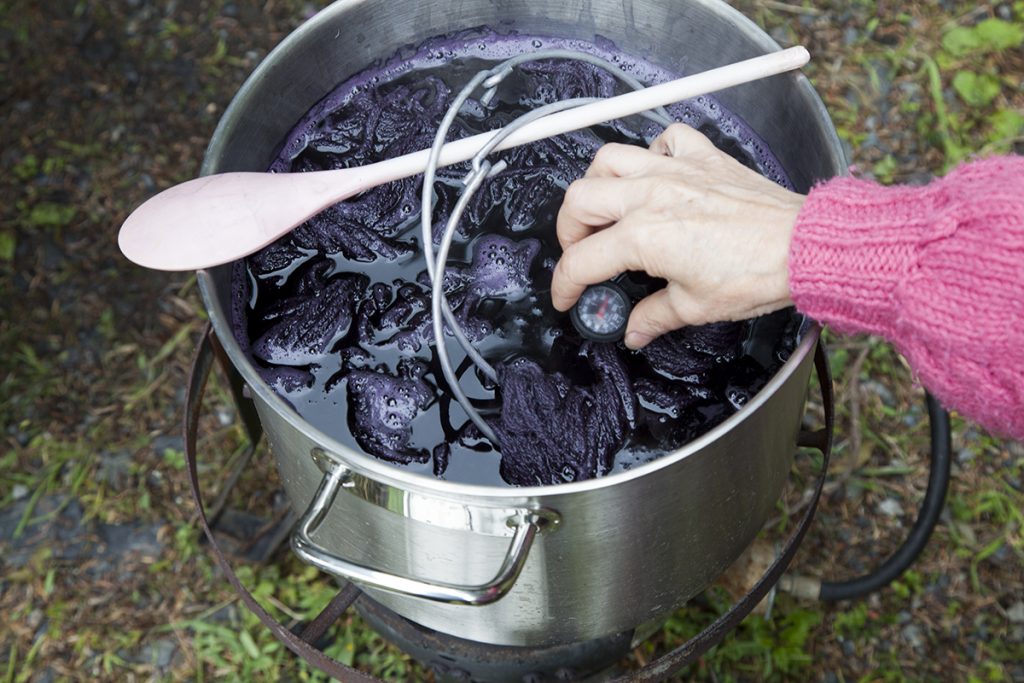
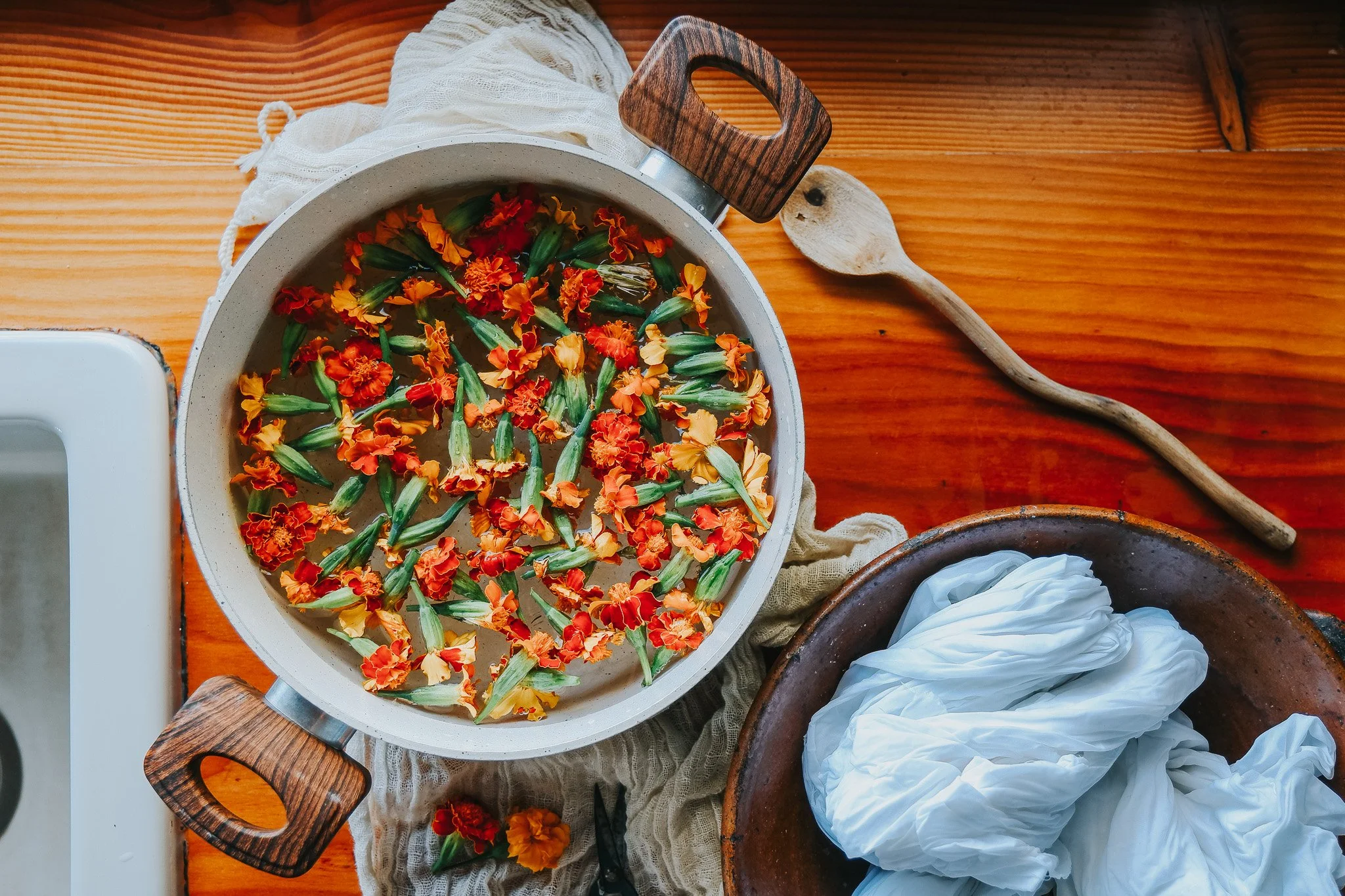
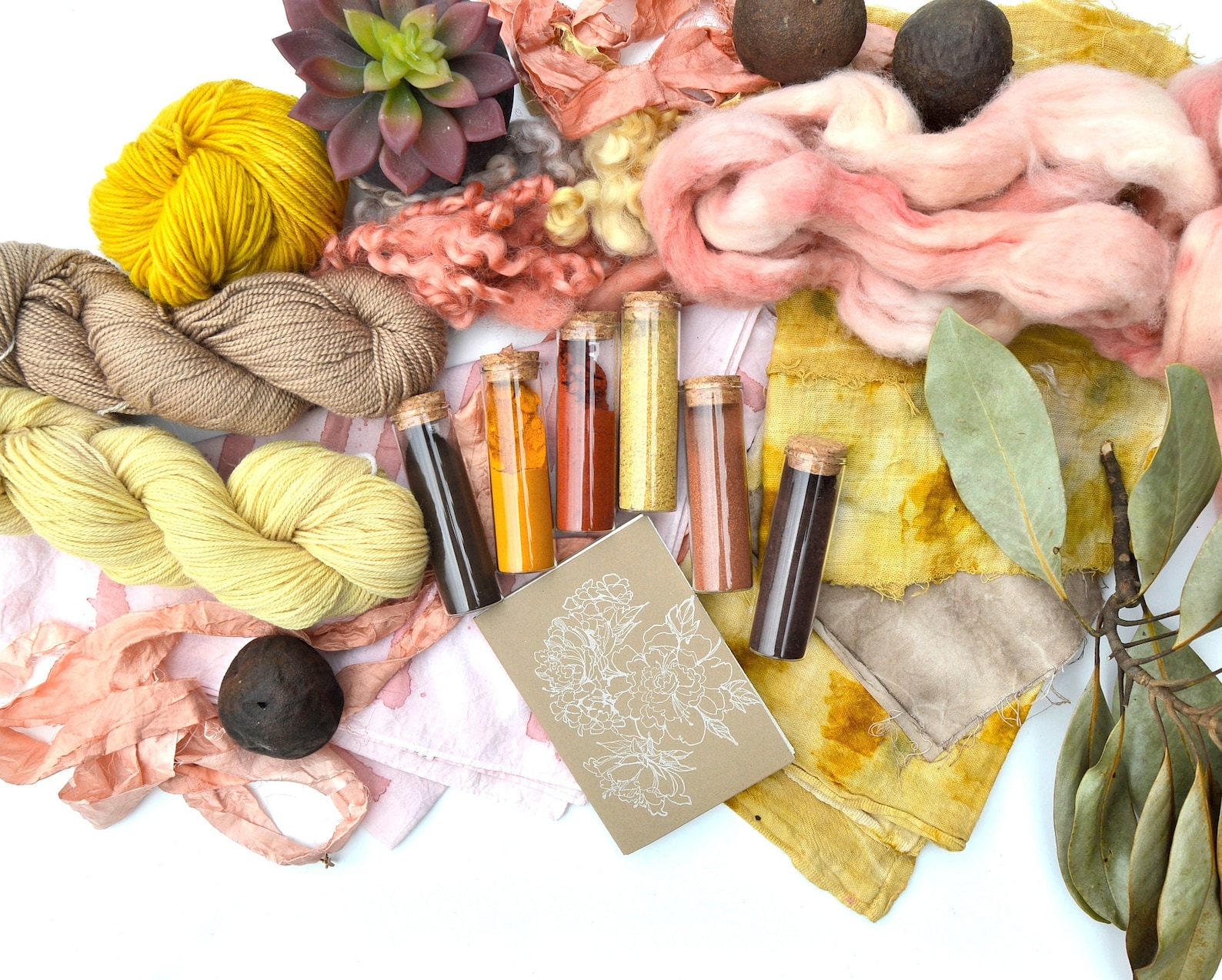
Begin heating the dye bath and gradually bring to 160F. Hold at this temperature for 30-45 minutes. You may let the fabric or yarn cool in the dye bath overnight for deeper shades.

Remove goods from dye bath, rinse and air dry away from direct light. Use the leftover dye bath for additional dyeing, or create a watercolor or pigment from the dye. In botanical dyeing, how do you broaden the palette of natural colors? Discover how to combine dye plants for new shades.
Liquid Natural Dye Instructions - Botanical Colors
The indigo must undergo reduction, a process of removing oxygen from the dye bath, making the dye soluble. Each vat includes three ingredients: one-part indigo pigment as the source of color, a two-part component to elevate the pH-value, and a three. Bring your bath to just below a simmer and hold for one hour to extract colour.
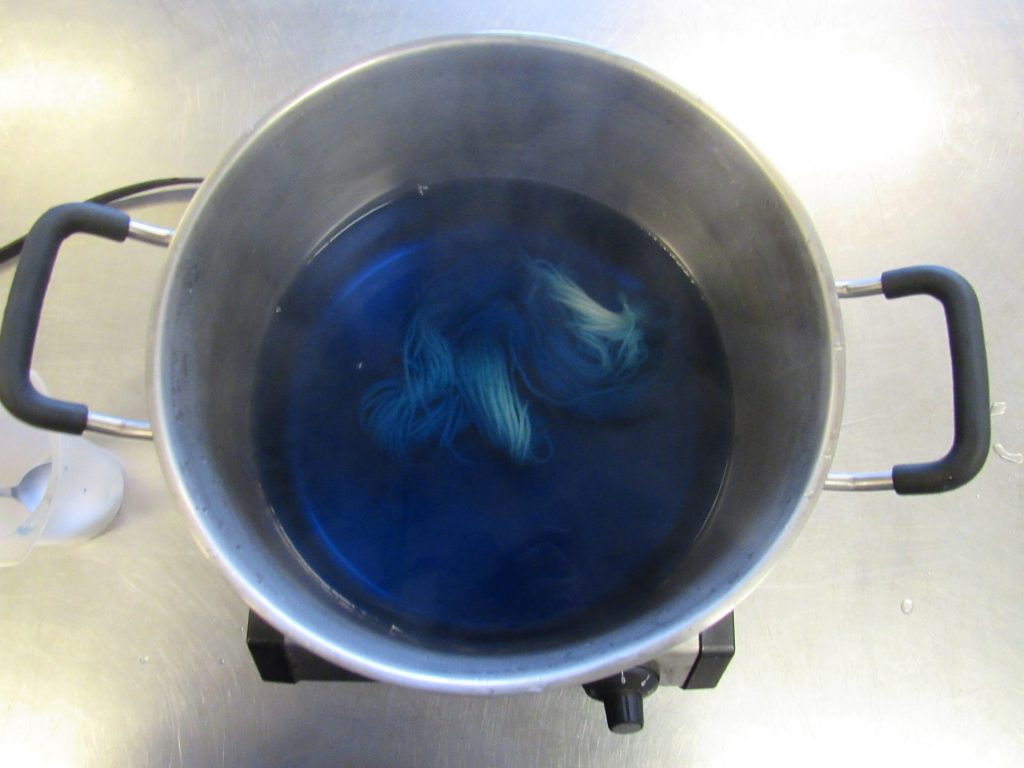
If you are happy with the colour extracted at this stage, you can remove the dye material and proceed to dyeing straight away. Or you can take the pot off the heat, cover and leave overnight for maximum dye extraction. The next morning, remove the dye material.

Botanical Bundle Dye Workshop and Herbal Bath Salts & Scrubs
The range of colors that any dye plant can produce is huge! There are seemingly endless variations that can be coaxed out of botanical dyes that are influenced by many factors, such as the pH level of your water, type of mordant, length of time in the dye bath, type of fiber, strength of a plant's dye properties, and more. Due to these variables, it's very difficult to reproduce the same. The acidity or alkalinity of the water used for natural dyeing (both in the mordant bath and the dye bath) will affect the colour.

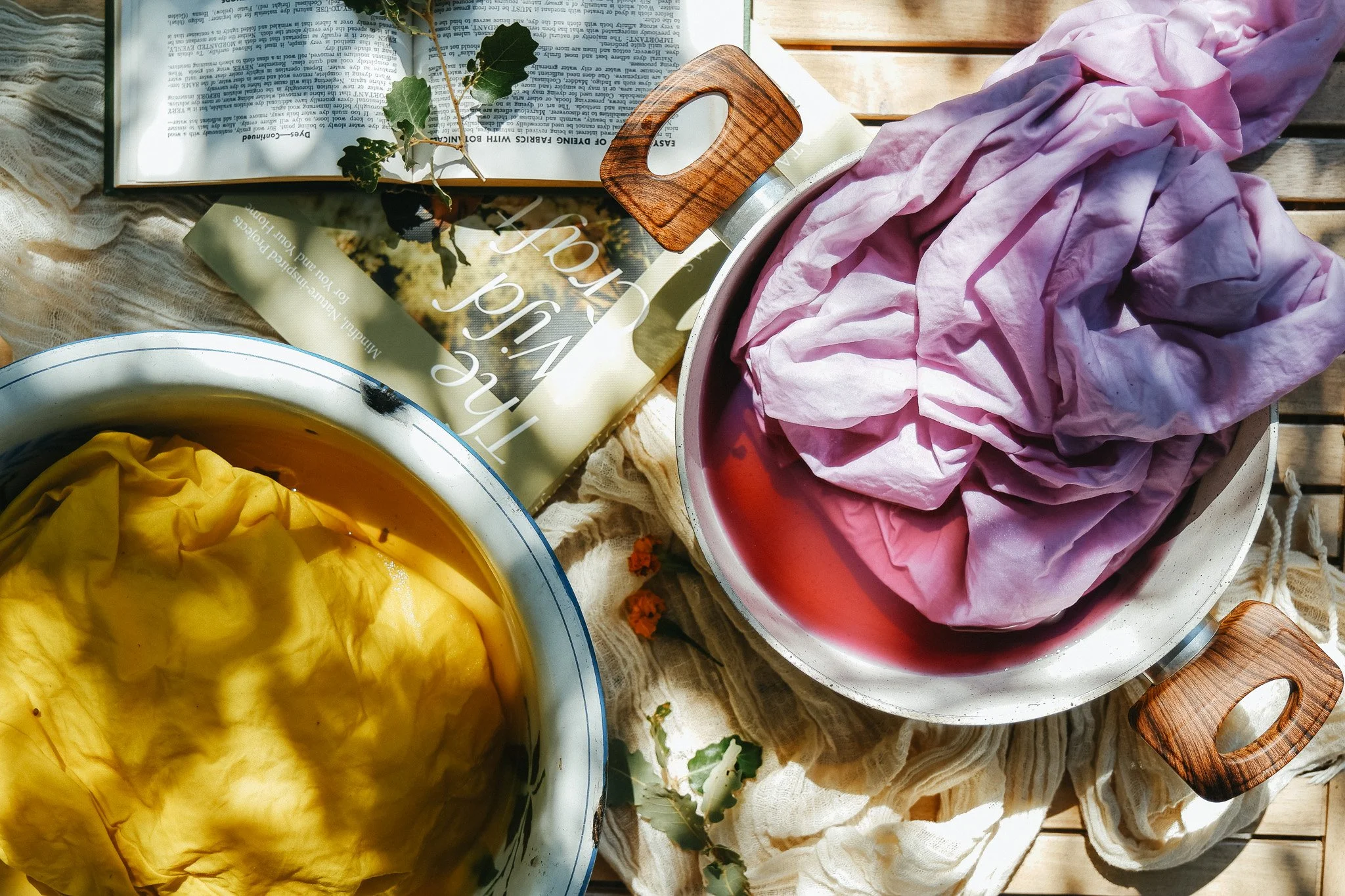
Soft water is best for practically all natural dyes with the exception of madder, weld, logwood and brazilwood. Create colorful dye bath on the stovetop with these easy steps: Fill a large pot with 1-2 gallons of water, add 2-4 tbsp of citric acid and the botanical powder of your choice. You can choose to dye everything with one color or make two separate dye baths and use different colors (turmeric for a deep golden shade, hibiscus for a pale pink hue).

Vivid Element by Amy Daileda | How Eco Friendly are Procion Fiber ...
A vinegar bath can help set the color. Purple Cabbage Dye: Purple cabbage can yield colors from purple to blue-green, depending on pH. It's relatively stable but still wash with care in cold water.

Turmeric Dye: Turmeric gives bright yellow hues. It can be sensitive to light, so store dyed items out of direct sunlight when possible. How to Create a Plant Dye Bath Below I've provided a video and recipe that shares the best practices I've found for creating a plant dye bath and coaxing the majority of pigment out of the plant stuff you have collected.

Today on "You Asked, Kathy Answered", Kathy talks about reusing a liquid logwood bath. Email questions@botanicalcolors for help!