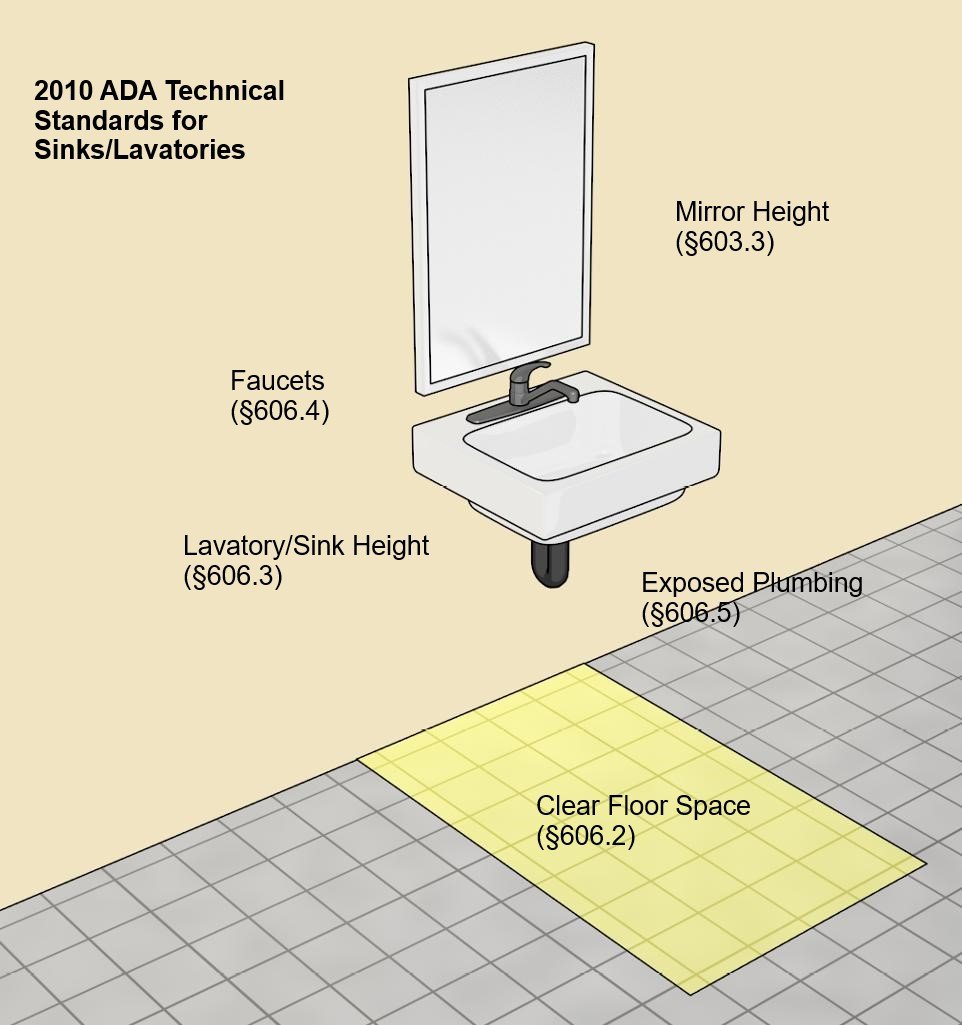
Learn the requirements for lavatories and sinks in accessible spaces, such as height, faucets, clear floor space, and mirrors. Find out the exceptions and alternatives for residential and children's use. Ages 3-4: Lower the sink height and ensure that the knee clearance is suitable for young children.
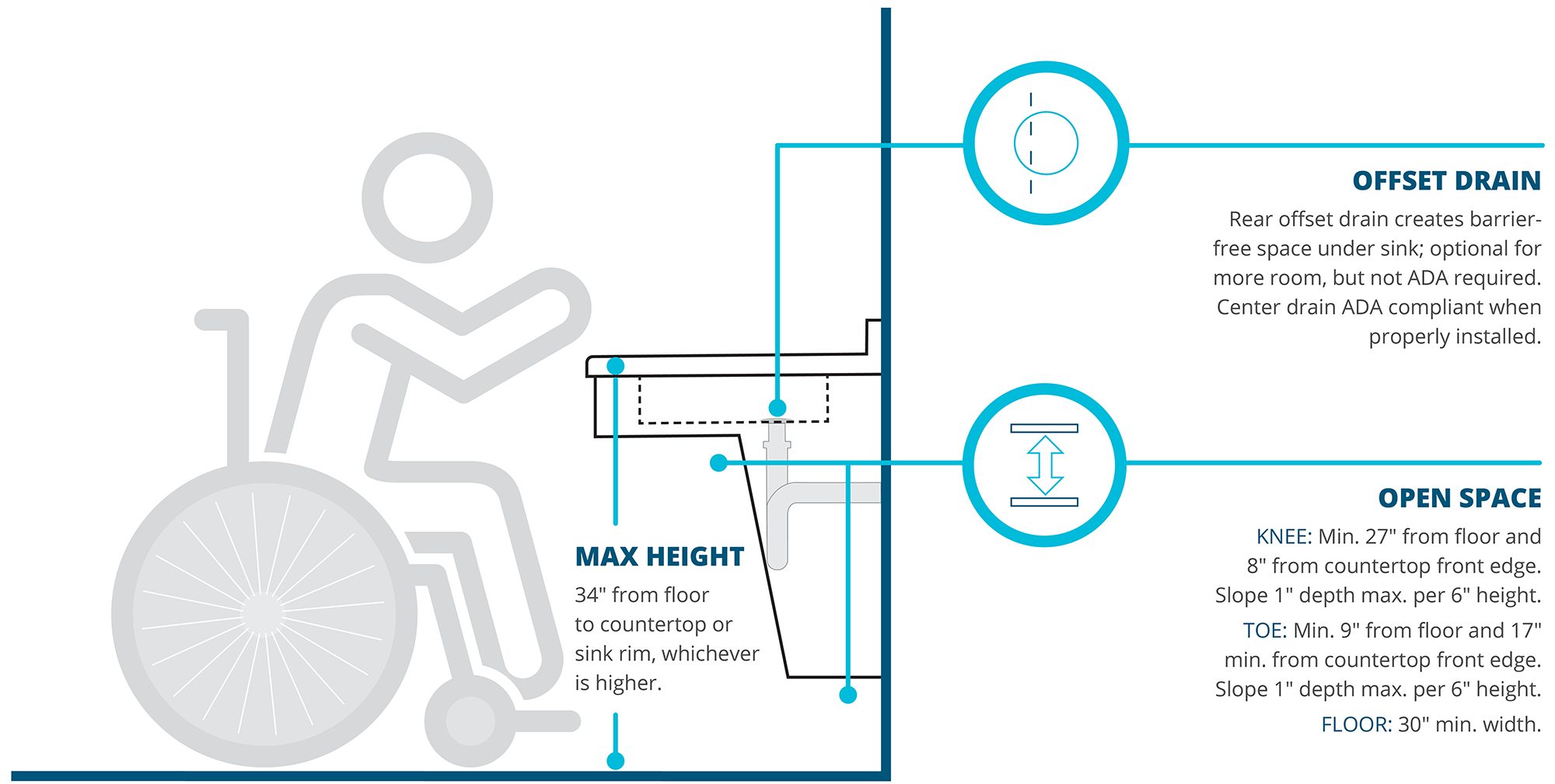
Ages 5-8: Similar to ages 3-4, ensure that the sink height and knee clearance are appropriate for children of this age group. Ages 9-12: The general ADA measurements are usually fine, but consider the requirements of children in this age group. ADA sink height and width is an important metric when considering ADA access.
Best Ada Compliant Bathroom Sinks at Matthew Williams blog
Sink height is required to be 34 inches above finished floor. Select ADA-Compliant Accessories: Choose ADA-compliant bathroom accessories that meet the specific height requirements outlined by the ADA guidelines. Select toilet seats, sinks, grab bars, mirrors, and dispensers that are designed and manufactured to comply with ADA standards for accessibility.
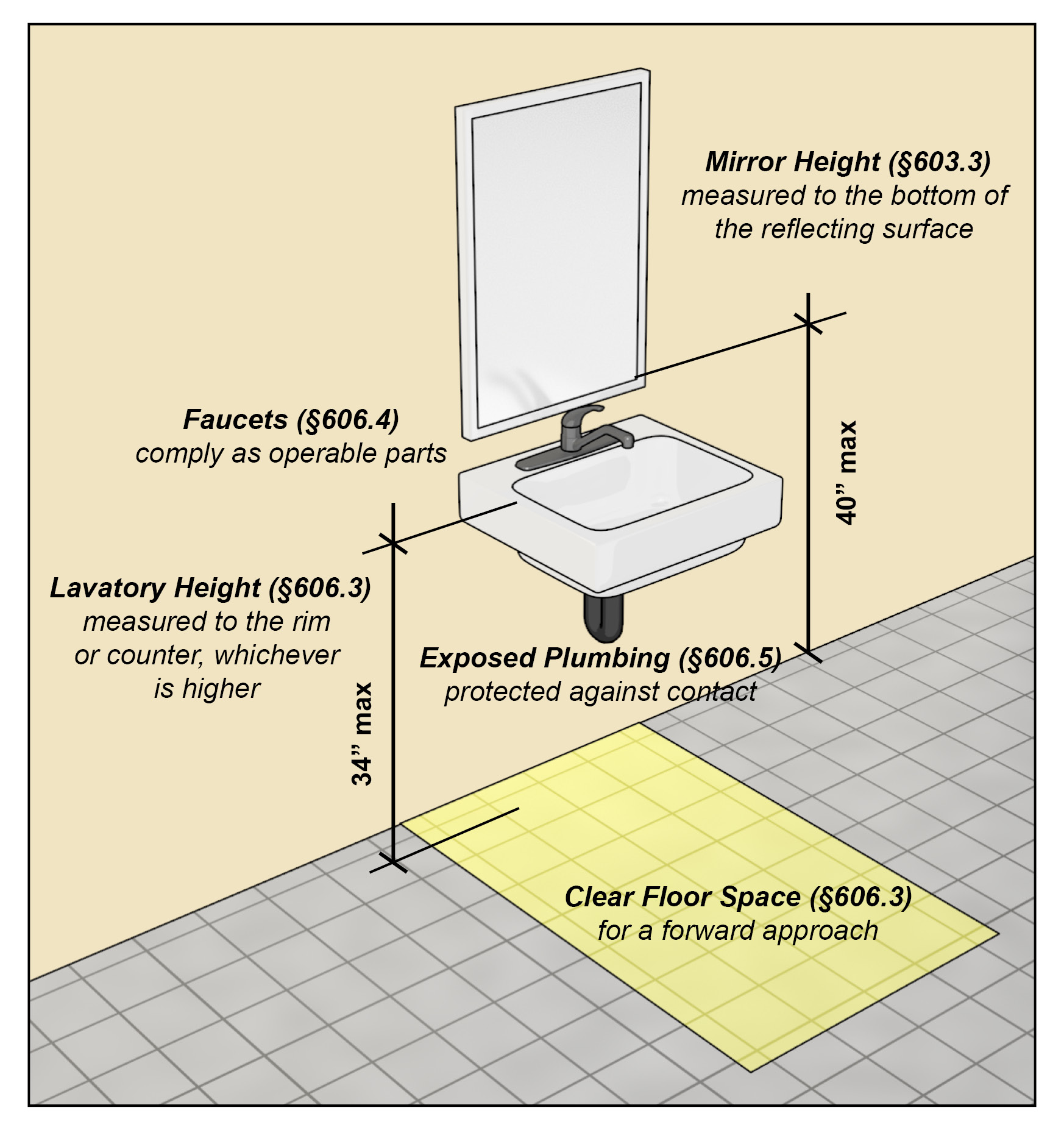
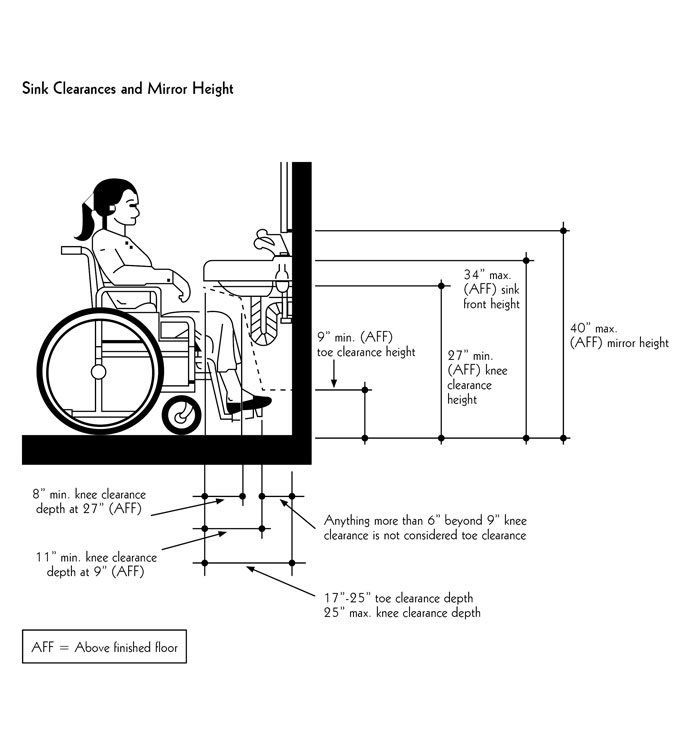
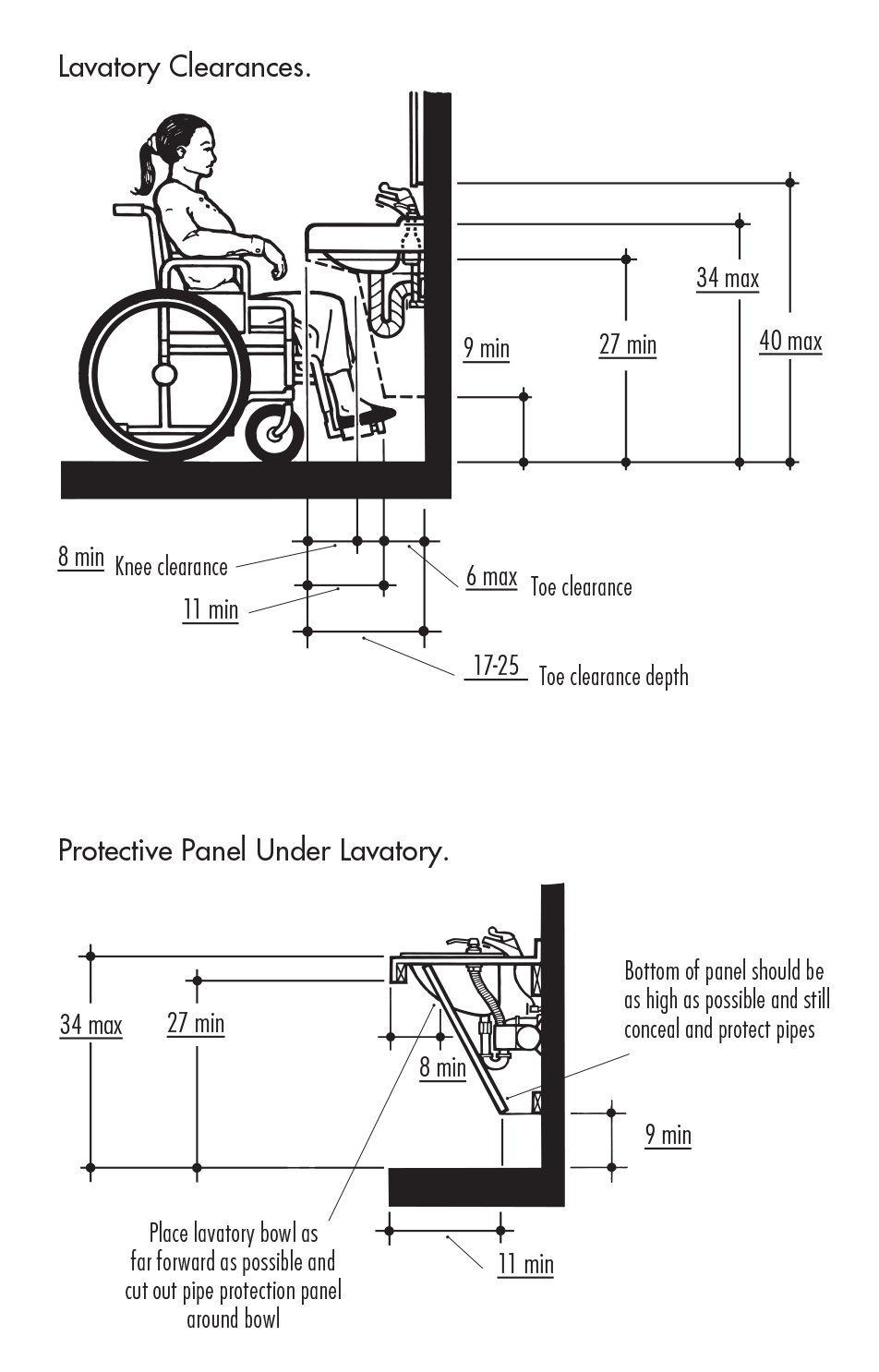
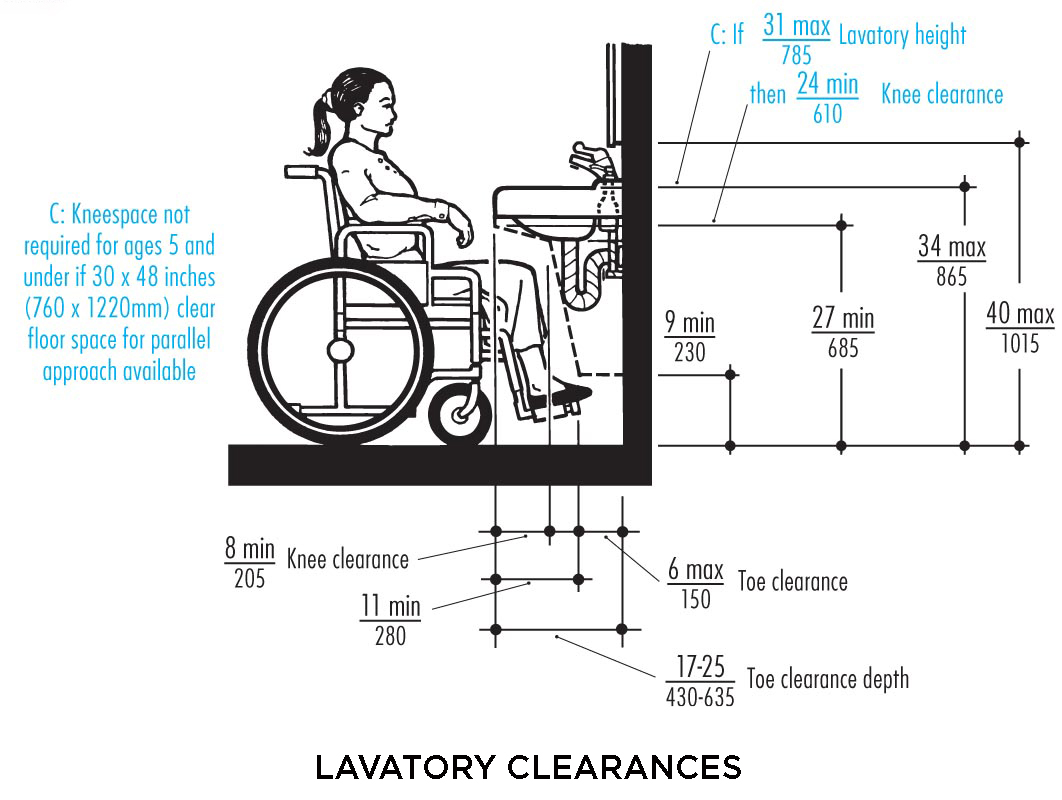
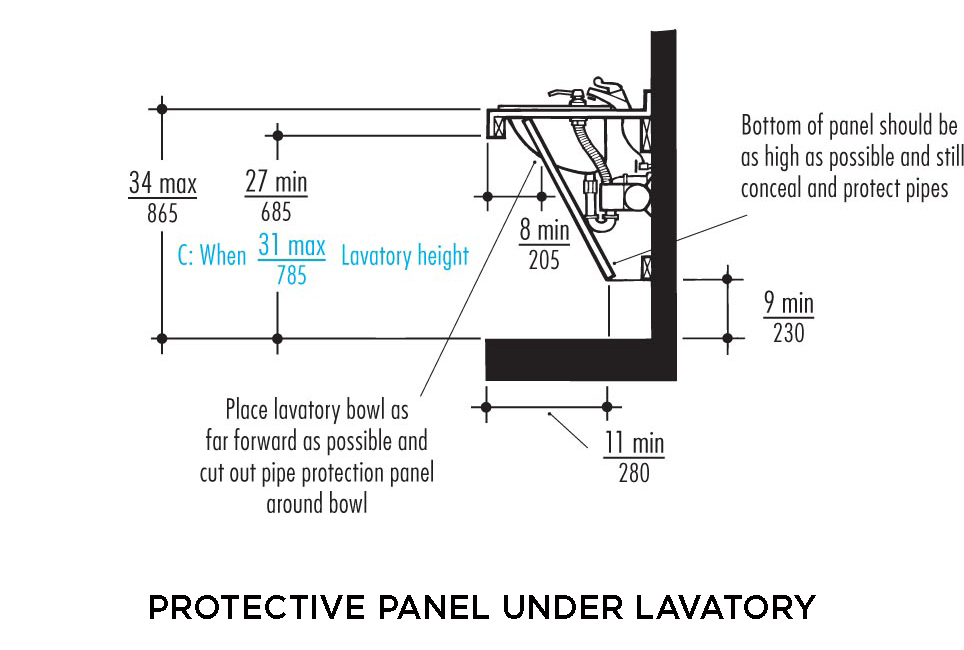
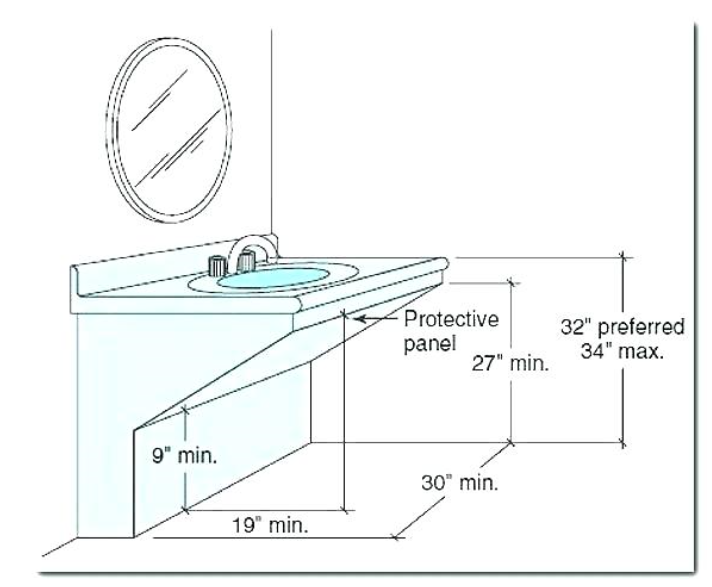
606.3 Height. Lavatories and sinks shall be installed with the front of the higher of the rim or counter surface 34 inches (865 mm) maximum above the finish floor or ground. Key Points ADA Sink Height and Clearance Requirements: An ADA-compliant bathroom sink must be no higher than 34 inches, with at least 27 inches of knee clearance and 30 inches of clear floor space for wheelchair access.
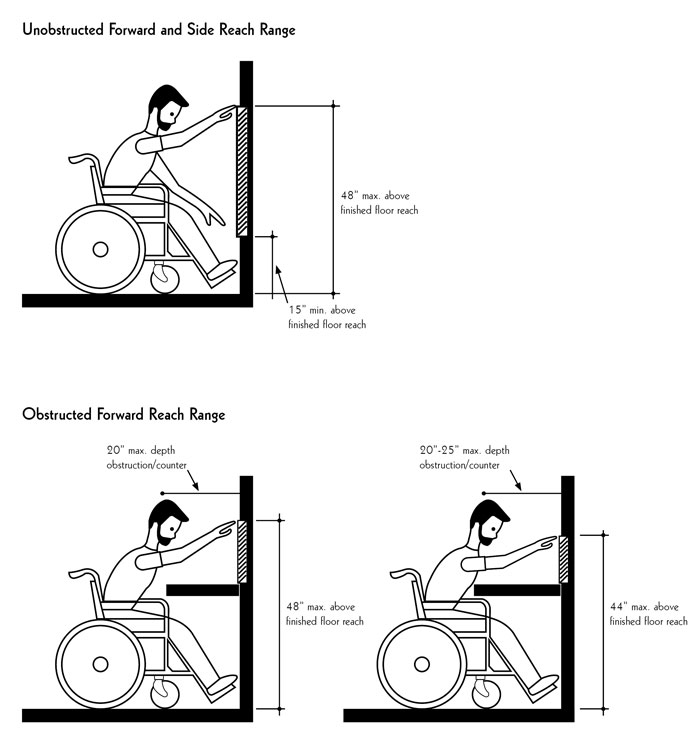
Ada Bathroom Sink Height Requirements – Everything Bathroom
Toe clearance must be at least 8 inches to prevent obstructions. The standard rough-in height for residential bathroom sinks is 31 inches from the floor to the rim of the sink. Bathroom sinks, in compliance with ADA requirements, measure 34 inches from the floor to the rim.
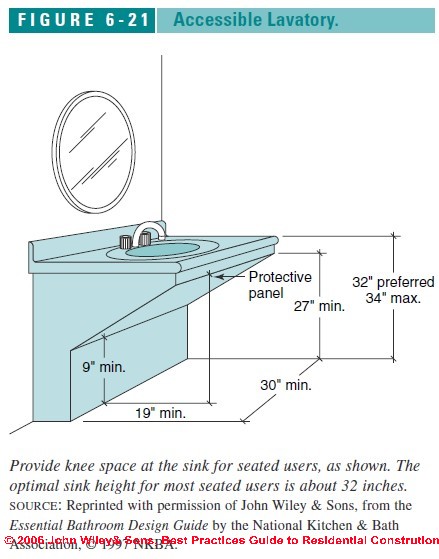
The clearance underneath the sink is equally important; it should be at least 27 inches high, 30 inches wide, and 19 inches deep to accommodate a wheelchair. This provides enough space for the user's legs and allows them to roll up to the sink. In addition to the height and clearance requirements, the ADA also specifies the depth of the sink.
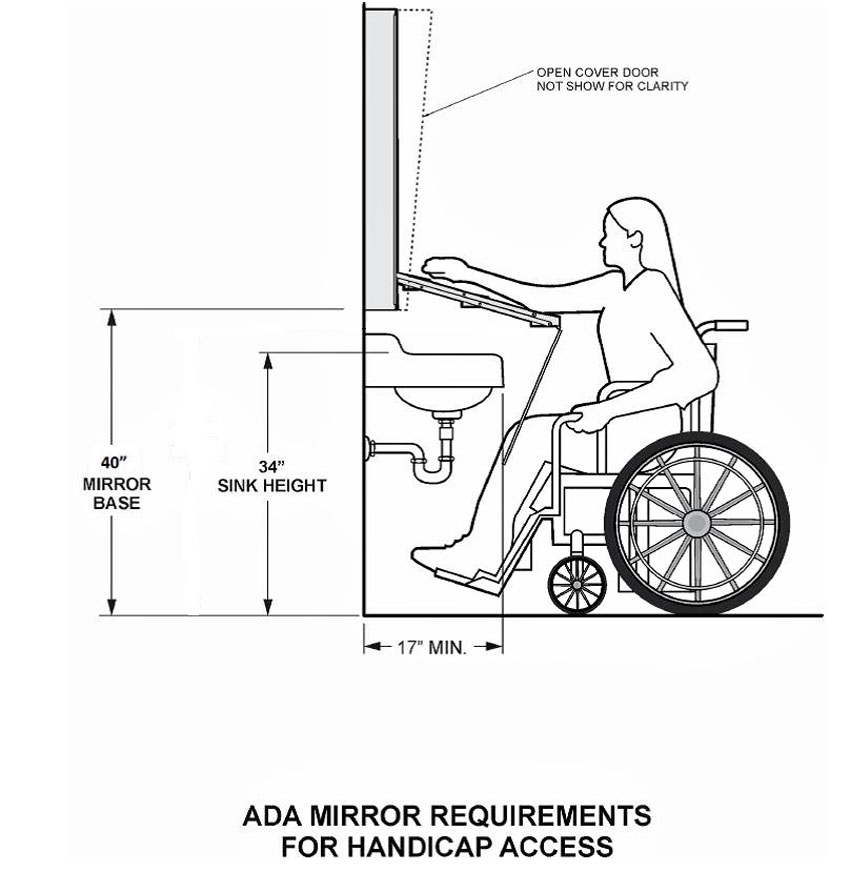
ADA Inspections Nationwide, LLC — ADA Compliancy
ADA-compliant sinks and faucets are designed to provide accessibility and ease of use for people with disabilities. Various types of sinks and faucets meet these requirements by offering specific designs that ensure appropriate height, clearance, and operability. Overview The primary focus of this article is to delineate the essential ADA sink requirements that architects must adhere to in order to ensure compliance and enhance accessibility within restroom designs.

It underscores the significance of specific measurements, including: Height specifications Clear floor space User-friendly faucet designs Collectively, these elements facilitate ease of use.