ADA Mirror Regulations ExplainedADA Mirror Requirements Note: The source for the information below is the 2010 ADA Standards for Accessible Design. 4.19 Lavatories and Mirrors. 4.19.1 General.
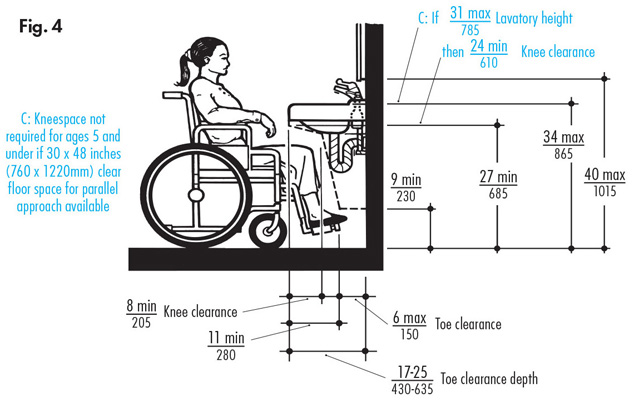
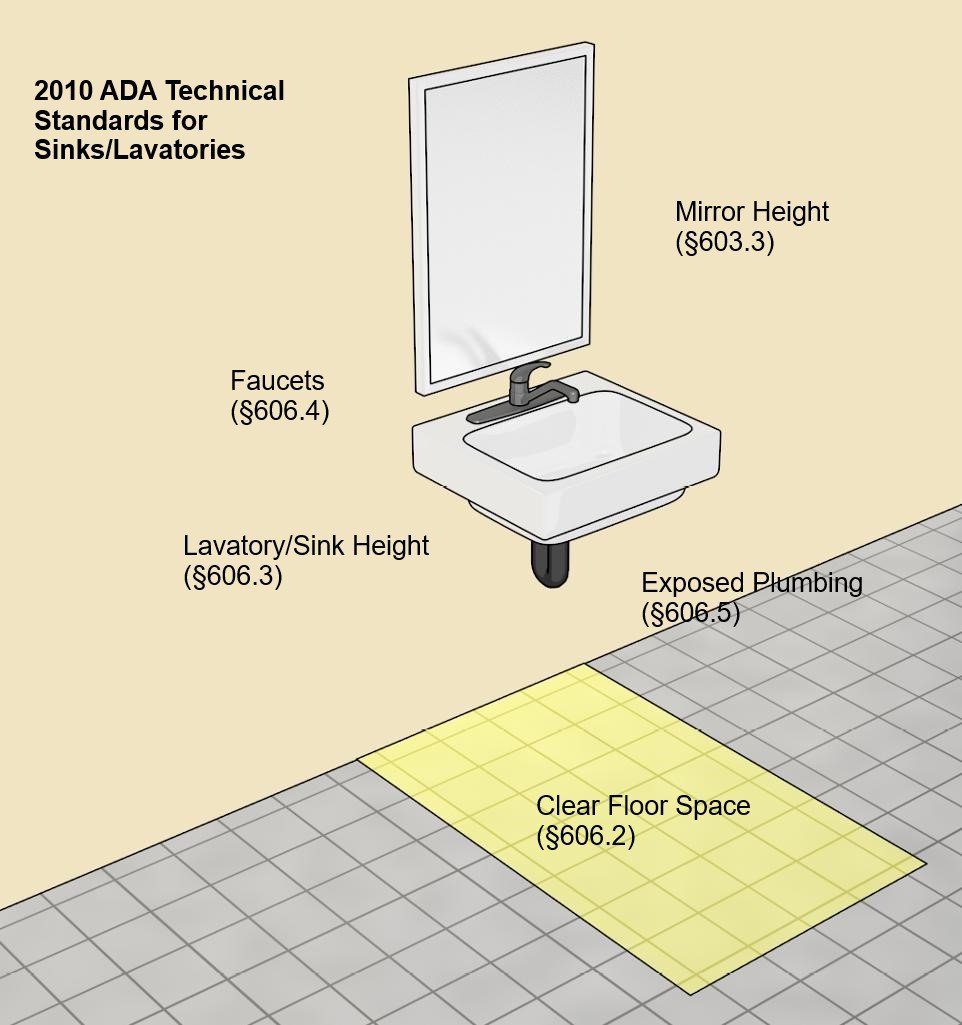
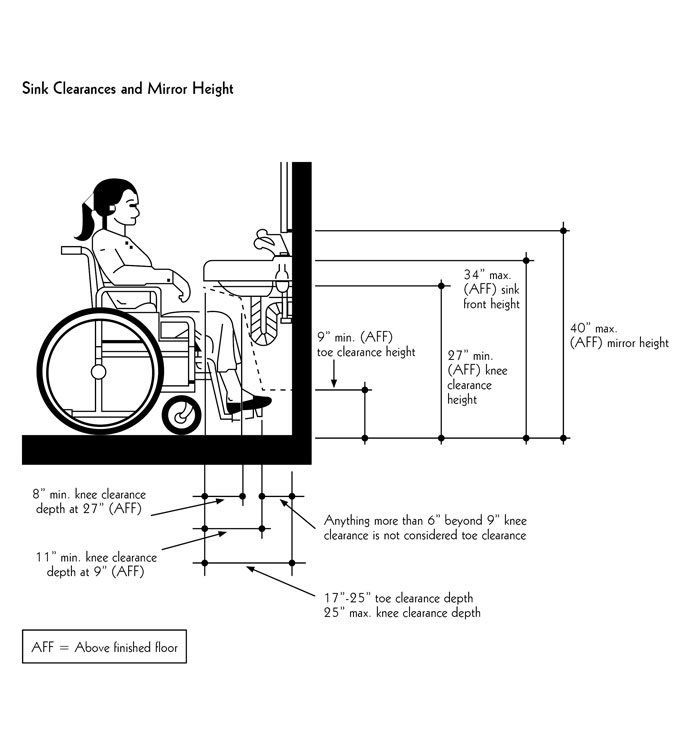
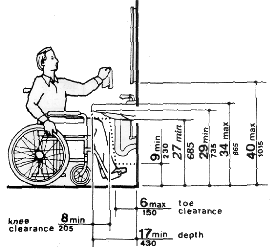
The requirements of 4.19 shall apply to lavatory fixtures, vanities, and built-in lavatories. 4.19.2 Height and Clearances. Lavatories shall be mounted with the rim or counter surface no higher than 34 in (865 mm) above the finish floor.
ADA Mirror Guidelines - ADABATHROOM.COM
Provide a clearance of at least 29 in (735 mm) above the finish floor to the bottom of the apron. Knee and toe. Understanding ADA Bathroom Mirror Requirements When it comes to designing accessible spaces, adhering to the guidelines set by the Americans with Disabilities Act (ADA) is crucial.
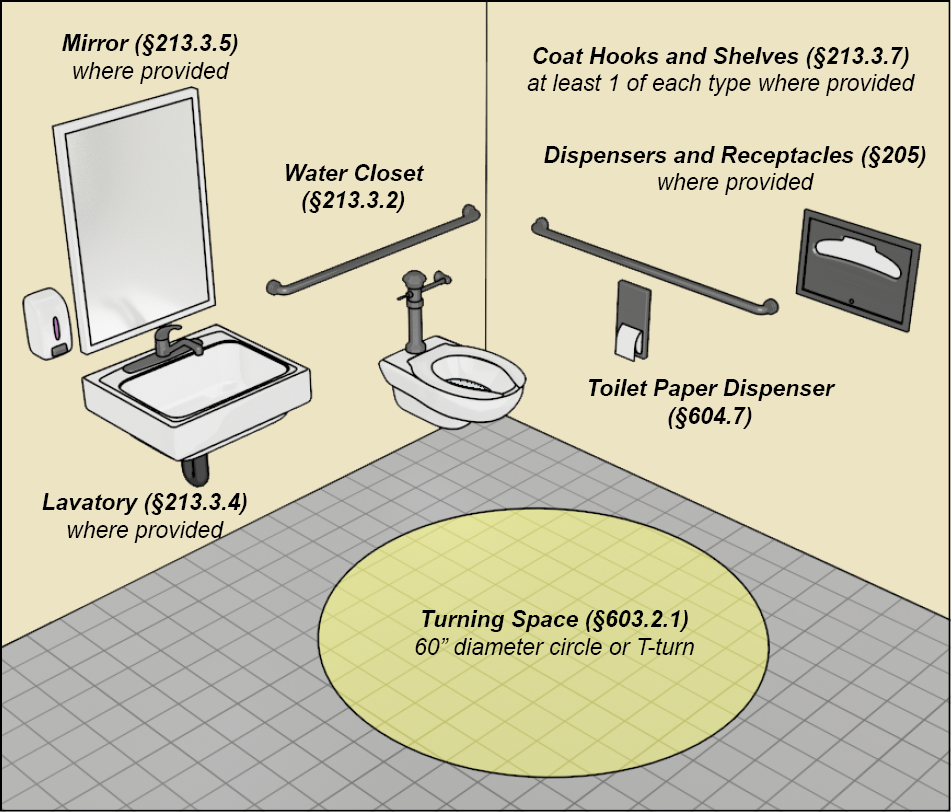
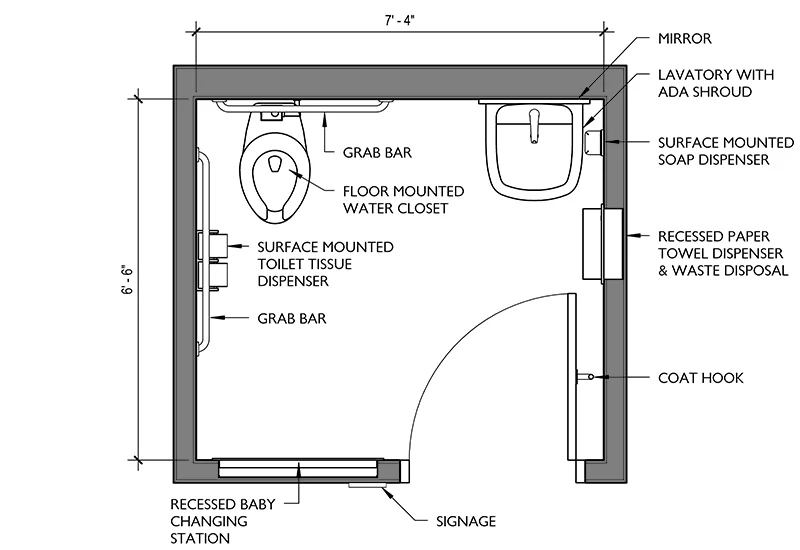
Let's talk about the specific requirements for ADA bathroom mirrors and explore why compliance is essential for creating inclusive environments. Learn how the ADA Standards apply to bathing rooms in new construction, alterations, and additions. Find out the requirements for doors, turning space, plumbing fixtures, mirrors, dispensers, shelves, and other elements.
Ada Bathroom Mirror Requirements – Everything Bathroom
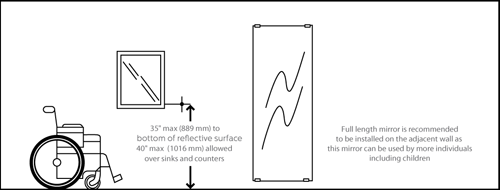
Explore ADA Requirements for Bathrooms: Learn about the standards and legal obligations to ensure accessibility in commercial spaces, creating inclusive restroom facilities for all. Advisory 603.3 Mirrors. A single full-length mirror can accommodate a greater number of people, including children.
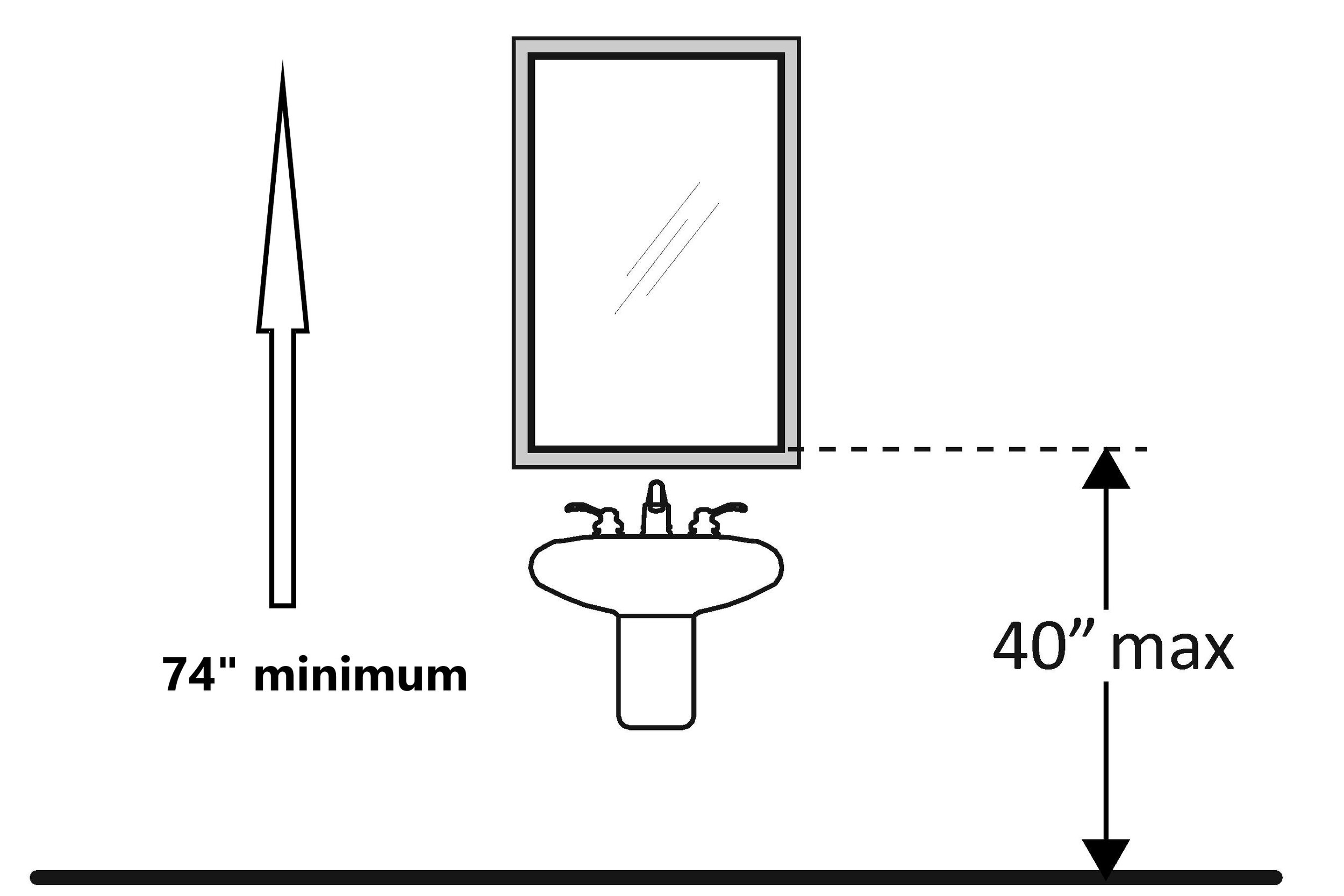
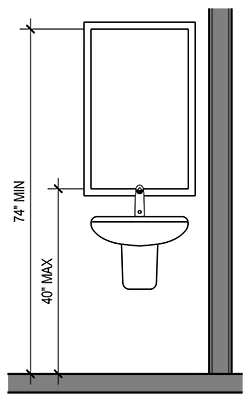
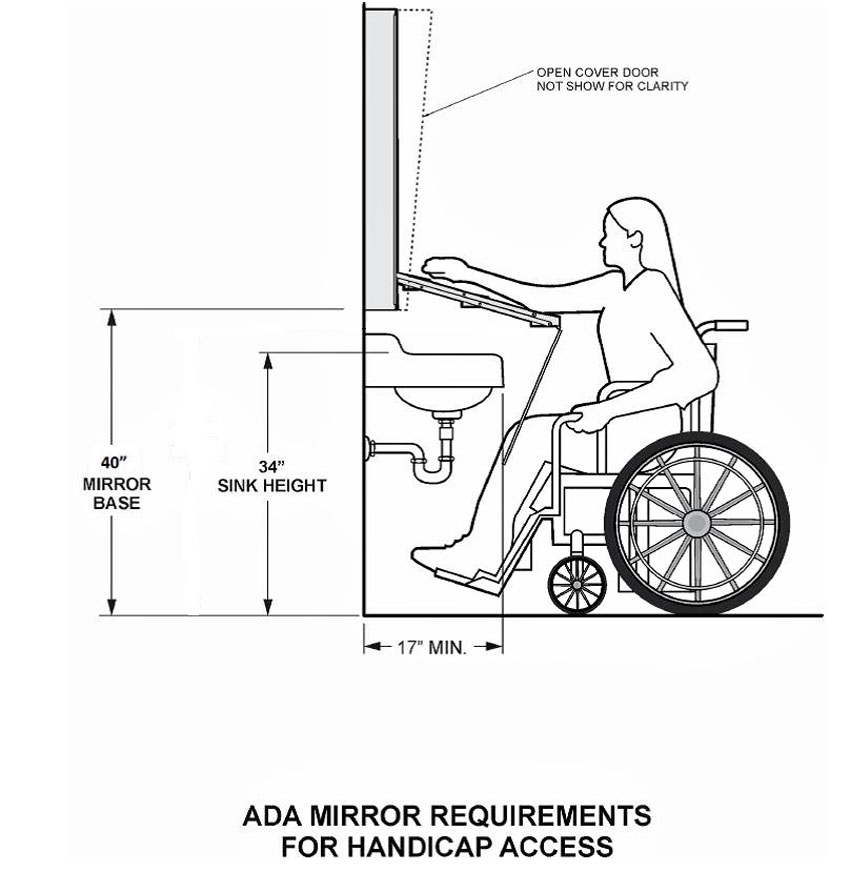
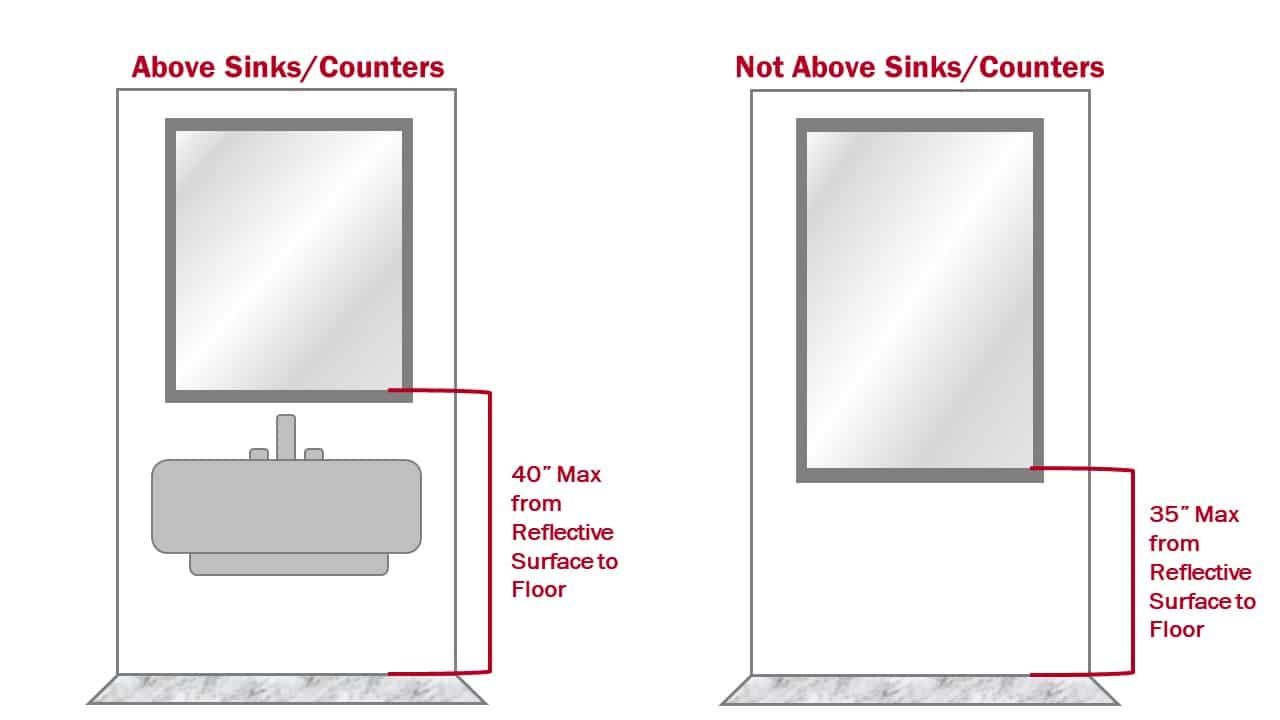
In order for mirrors to be usable by people who are ambulatory and people who use wheelchairs, the top edge of mirrors should be 74 inches (1880 mm) minimum from the floor or ground. Understanding ADA Mirror Requirements The Americans with Disabilities Act (ADA) sets specific standards for bathroom mirrors to ensure they're accessible to people using wheelchairs and those with mobility challenges. The most critical requirement? The bottom edge of the reflecting surface must be no higher than 40 inches above the finish floor.
Ada Bathroom Mirror Requirements – Everything Bathroom
What about bathroom mirrors? Here's how to have an ADA-compliant mirror: The bottom edge of the mirror cannot be more than 40 inches off the ground, and the top of the mirror needs to be at least 74 inches above the floor. A full. Bathroom mirrors are one of the components addressed by the ADA, with specific requirements for their placement and dimensions.

Understanding these requirements is crucial for architects, contractors, and building owners to ensure compliance and create inclusive environments. Yes, mirrors are required in ADA (American with Disabilities Act) bathrooms in order to improve accessibility for people with disabilities. Mirror placement is essential in order to allow a wheelchair user to check their appearance and reach difficult body parts that may be difficult to reach without a mirror.